
What is bentonite?
A natural clay for health and well-being
Reading time approx. 3 minutes
Bentonite and zeolite: what can they do together?
Bentonite is a versatile clay that was formed from volcanic ash. Bentonite was formed under the same geological conditions as zeolite, but in different processes. Bentonite consists mainly of the mineral montmorillonite and has the ability to bind water and toxins. Montmorillonite is a clay mineral that belongs to the smectite group. It is characterized by its layered structure and high swelling capacity, which enables it to bind water and ions effectively. Montmorillonite is the main component of bentonite and is often used in industry for water treatment and in medicine as a support for detoxification. This natural substance also has detoxifying properties and has long been used to promote health. But how does bentonite compare to zeolite, especially clinoptilolite zeolite, and how can they work together?
Bentonite to support digestion, skin care and the immune system
By taking Bentonite, water can be drawn into the intestines, which can relieve constipation and flatulence. It also supports the balance of intestinal flora, which is essential for healthy digestion. Many people also use bentonite as a natural component of colon cleansing programs. Bentonite clay can be used as a face mask to remove excess oil, dirt and toxins from the skin. It helps prevent acne, soothes skin rashes and can promote the healing of wounds. By binding and removing toxins, bentonite also strengthens the immune system. Its antibacterial properties can help fight infections and improve overall health, as some studies suggest.
Bentonite vs. zeolite: A comparison of structure and mechanism of action
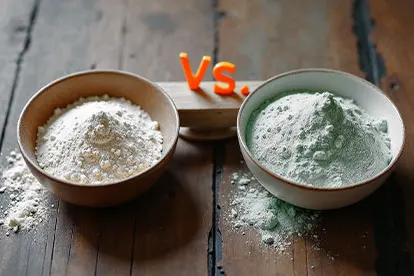 While bentonite binds toxins through physical adsorption, zeolite, especially clinoptilolite zeolite, works through ion exchange. This special structure of clinoptilolite zeolite makes it particularly effective at binding and eliminating specific ions, toxins and environmental toxins such as heavy metals. This means that clinoptilolite can provide deeper and more targeted detoxification. Bentonite is particularly suitable for skin care and acute digestive support. Clinoptilolite zeolite, on the other hand, is preferred for detoxifying heavy metals, intestinal cleansing, strengthening the intestinal barrier, regenerating the intestinal wall, detoxifying the liver and supporting the immune system. Clinoptilolite is more chemically stable and can work more effectively in acidic environments such as the gastrointestinal tract, making it a preferred choice for more comprehensive detoxification programs.
Bentonite as a complement to zeolite – natural remedies that can work well together
Bentonite and clinoptilolite zeolite are both impressive natural remedies with unique benefits. While bentonite is great for supporting skin care and digestion, clinoptilolite zeolite offers deeper and more specific detoxification and regeneration of the gastrointestinal system and liver, as well as more comprehensive immune system support. Therefore, bentonite can serve as an excellent complement to zeolite by providing additional support where it is needed. Together, these two natural wonders can contribute to a holistic approach to health and well-being by complementing each other’s strengths.


