
Gut - central organ of health
The gut – the center of our health
Reading time approx. 5 minutes
Why intestinal health is so important for the whole person
For a long time, the intestines and therefore the essential health of the gut were greatly underestimated. Even today, many of us still think of the heart, lungs or brain first when we think of our body’s major organs. But one organ that has long been underestimated is the gut – yet it is the true multi-talent in the body, a kind of silent conductor that directs the symphony of our health. State-of-the-art research is revealing more and more of the amazing versatility and importance of the intestinal system. Today we know: The gut is far more than just a digestive machine. It influences our entire well-being, our immune system, ultimately all other organs and even our psyche.
The intestine – a living communication center
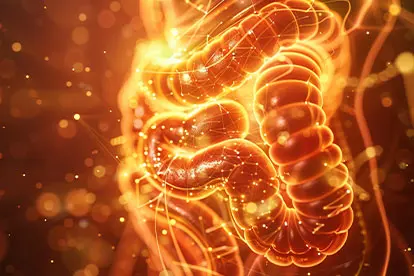 Imagine the gut as a huge communication center that constantly sends signals to various organs. For example, there is the gut-brain axis, which enables the digestive system to have a direct influence on our thoughts and feelings. So the next time you hear the term “gut feeling”, it’s not just a figure of speech – it has a very real, physiological basis. The gut communicates with the brain via a network of nerve cells and messenger substances, influencing our emotions, ability to concentrate and even the risk of mental illness. The situation is similar with the gut-lung axis. What sounds like an abstract concept is now well documented: The condition of the gut can affect respiratory health. A disturbed intestinal environment and an intact intestinal wall are now associated with asthma, allergies and chronic respiratory diseases. The gut as the linchpin of our health? Absolutely!
The immune system and the gut – an unbeatable team
Around 80 percent of our immune system is located in the gut. This means that a healthy gut is the prerequisite for a strong immune system. The microorganisms that live in our gut – also known as the microbiome – act like an army of little helpers that are constantly on standby to fend off intruders such as viruses and bacteria. These little “bodyguards” not only ensure a functioning immune system, but also help to keep inflammation in the body in check. But the gut can do even more: it trains our immune system on a daily basis. A healthy and diverse intestinal flora can help the body to better regulate immune reactions, reducing the risk of autoimmune diseases or chronic inflammation. This makes it clear that a balanced gut is the foundation of our health.
The protective wall of the intestine: the importance of an intact intestinal wall or intestinal barrier
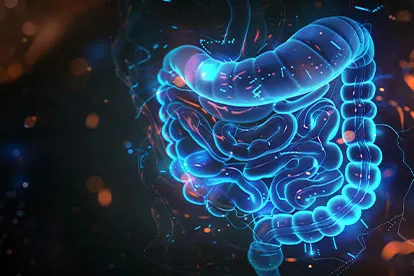 Also much more important than previously known to science is the intestinal wall, which forms the protective intestinal barrier . The intestinal wall consists of several layers of tissue that form the hollow organs of the gastrointestinal tract, in particular the individual sections of the intestine. This multi-layered protective system has two main functions: Firstly, the intestinal wall forms a physical surface that prevents bacteria from adhering and entering the adjacent body tissue unchecked. Secondly, it ensures that harmful germs can be distinguished from the beneficial bacteria in the intestine. This protects the body from diseases while the good intestinal bacteria can fulfill their important tasks. The intestinal barrier is therefore much more than just simple separating layers between food and the inside of the body – it is a highly specialized system that protects our internal environment. An intact intestinal barrier ensures that nutrients from food are specifically absorbed, while harmful substances, pathogens and toxins remain outside. It functions like a bouncer that decides what can and cannot enter the body. However, if this barrier is disrupted – commonly referred to as “leaky gut” or a permeable intestinal wall – harmful substances can enter the bloodstream and trigger inflammation, allergic reactions or even chronic illnesses. A healthy intestinal barrier is therefore crucial for our well-being and our immune system. It is like a protective shield that keeps the body in balance day and night.
Multi-tasking: the gut as a metabolic manager
In addition to its function as an immune checkpoint, the intestine also plays a crucial role in metabolic processes. It helps to absorb vital nutrients from food and channel them into the body. But its role does not end there. The gut is directly linked to our energy levels, weight control and above all – more important than ever in this day and age – detoxification. Certain bacteria in the gut help to break down unwanted substances before they can enter our organism. A disturbed microbiome or exposure to heavy metals and numerous toxins, on the other hand, can lead to metabolic disorders such as diabetes and obesity.
Conclusion: The gut is the key to a long and healthy life
The gut is therefore the linchpin of our health – and in a way that hardly anyone would have thought possible until a few years ago. It is not only responsible for digestion, but also has the ability to control our entire well-being. The scientific findings that prove this to us today show how crucial it is to look after the gut and keep it healthy. A well-functioning gut not only brings physical vitality, but also mental well-being and strengthens the immune system in the long term. Today it is also clear in science that the gut is not just one organ among many – it is the central control organ that guides our lives in many ways. And we can look forward to seeing what else research has in store for us on the topic of the gut in the future.


