
Zeolite for irritable bowel syndrome (IBS)
Zeolite for irritable bowel syndrome (IBS) – Natural relief for the gut
Reading time approx. 7 minutes
Zeolite for intestinal cleansing: one of the best remedies for irritable bowel syndrome
What is irritable bowel syndrome, or IBS for short? Irritable bowel syndrome (IBS) is a widespread disorder of the digestive system that affects millions of people worldwide. Those affected suffer from symptoms such as constipation, bloating, intestinal inflammation and abdominal pain, which can significantly affect their quality of life. The large intestine, which is responsible for digestion and elimination, is particularly sensitive in IBS patients. Many people are looking for natural ways to soothe their intestines and to achieve this in the long term through effective colon cleansing and intestinal rehabilitation. This is where zeolite comes into play – the natural mineral, which can be used as a supportive agent in an intestinal cure to relieve the bowel and also restore the balance of intestinal bacteria , is also regarded in medicine as an effective support for intestinal health.
How does irritable bowel syndrome (IBS) develop?
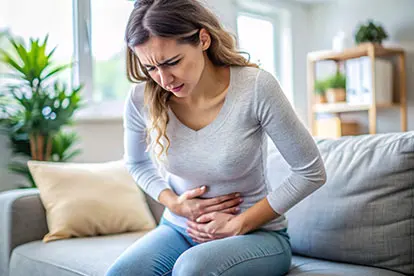 Irritable bowel syndrome is a functional gastrointestinal disorder in which the bowel reacts hypersensitively to stimuli that cause hardly any problems in healthy people. The exact causes are not yet fully understood, but it is suspected that a combination of disturbed bowel movements, hypersensitivity to pain, stress and altered intestinal flora play a role. A disturbed intestinal barrier and impaired intestinal wall function can also be associated with irritable bowel syndrome. The large intestine, also known as the colon, is a central organ of digestion and plays an important role in the absorption of water and nutrients as well as in the formation and elimination of stool. However, in people with irritable bowel syndrome (IBS), the colon does not function smoothly, which can lead to a variety of unpleasant symptoms. Typical complaints such as constipation, diarrhea, flatulence and abdominal painare widespread. However, chronic stomach pain and stomach problems can also be a consequence of irritable bowel syndrome, although at first glance the stomach does not appear to be directly related to the bowel.
The close connection between stomach and intestines: stomach problems are often the result
The reason for this lies in the close connection between the stomach and intestines within the digestive tract. The entire gastrointestinal tract is connected by a complex network of nerves, the so-called enteric nervous system. This network is often referred to as the “second brain“, as it enables independent control of the digestive process. If the large intestine does not work properly in IBS patients, malfunctions in intestinal movement can occur, leading to increased gas formation, bloating and irregular bowel habits. These problems in the intestines can in turn affect the stomach. For example, the altered bowel movement can increase the pressure in the gastrointestinal tract, leading to an uncomfortable feeling of fullness and stomach pain. In addition, the irritability of the intestines can also make the stomach more sensitive, which means that even small amounts of food or gas can cause stomach pain and nausea. The gastrointestinal tract works as a unit, and a disruption in one area can easily affect other parts of the system. Therefore, stomach pain and other stomach problems are often closely linked to the dysfunction in the large intestine caused by irritable bowel syndrome.
Irritable bowel syndrome: environmental pollution, diet and lifestyle as triggers
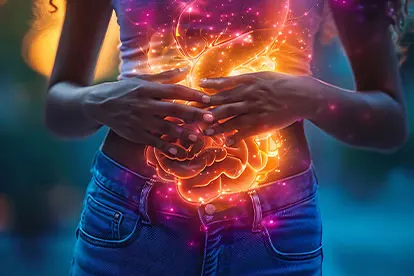 In today’s world, we are exposed to a variety of stresses and strains every day that can affect our health – first and foremost our gut. This is because the gut is like a highly complex and very sensitive engine that only runs optimally if it is regularly maintained and supplied with high-quality fuel. However, in this day and age, this “engine” is often overused and fed with inferior fuel – and this is not without consequences. Environmental pollution, an unhealthy diet, a stressful lifestyle, lack of exercise, the consumption of tobacco and alcohol and the intake of too many medications such as antibiotics have become an integral part of our everyday lives. These factors act like sand in the gears of our sensitive digestive system. A diet rich in processed foods, sugar and unhealthy fats can unbalance the gut bacteria responsible for smooth digestion and protection against pathogens. These beneficial gut bacteria are like the mechanics that keep the motor of our gut running smoothly. If they are weakened by an unhealthy diet, the entire system becomes unbalanced and inflammation in the gut can result. But that’s not all! Countless environmental toxins present in the air, in our water and even in our food act like harmful deposits in the engine, further impairing its performance. These toxins put additional strain on our bodies and can weaken the protective barrier of the gut, allowing harmful substances to enter the bloodstream and promote inflammation. Added to this is the hectic lifestyle that many of us lead. Constant stress and lack of time rob us of the opportunity to rest and recuperate. For our gut, this means that it never gets the chance to regenerate. Stress acts like a permanent overheating of the motor, which leads to an overload. The sensitive nerves in the large intestine, which are responsible for regulating bowel movements, can become overstimulated due to constant stress, which increases the typical symptoms of irritable bowel syndrome such as abdominal pain, constipation or diarrhea. All of these factors – an unhealthy diet, environmental toxins and stress – work together and put a strain on our gut in a way that we often only notice when the symptoms of IBS have already set in. It is important to take these influences seriously and actively combat them in order to protect the health of our gut and therefore our general well-being.
Zeolite: relief of irritable bowel syndrome scientifically proven – but only for PMA zeolite
 In modern holistic medicine, zeolite has a firm place as part of an intestinal cure that aims to cleanse and rehabilitate the intestines. Zeolite acts like a sponge, absorbing harmful substances and excess acids in the intestine and removing them from the body. As a result, the volcanic rock can help to relieve the bowel and alleviate the symptoms of irritable bowel syndrome. The effect of zeolite in the treatment of irritable bowel syndrome (IBS) has been scientifically proven, although here too only the special PMA zeolite from the research company PANACEO has been the subject of research to date and the results cannot be transferred to other zeolite products. These studies clearly show that PMA zeolite can reduce inflammation in the intestine, which leads to relief of typical IBS symptoms such as abdominal pain, bloating and diarrhea. Controlled studies with IBS patients have shown that the intake of PMA zeolite leads to a reduction of inflammatory markers such as α1-antitrypsin in the stool. In addition, PMA zeolite has been shown to support the intestinal barrier and microbiome, which can promote long-term gut health and alleviate other symptoms. These results suggest that PMA zeolite is an effective supplement for the treatment of IBS (studies).
How can zeolite help with irritable bowel syndrome?
When using zeolite as part of an intestinal cleansing or colon cleansing treatment, the mineral is taken in the form of a fine powder or capsule. Once in the intestine, zeolite binds harmful substances and thus supports the detoxification of the intestine. At the same time, it can help to promote the balance of intestinal bacteria by improving the intestinal environment. This can help to relieve constipation, reduce flatulence and calm intestinal inflammation. Zeolite is therefore not only a helper for acute complaints, but also a valuable means of long-term intestinal care.
Irritable bowel syndrome in children: Zeolite also provides gentle support here
Unfortunately, even children can suffer from irritable bowel syndrome. It is often difficult for parents to see their children struggling with stomach ache and digestive problems and do not want to burden them unnecessarily with medication. An intestinal cure with zeolite can offer a gentle and natural way to support the sensitive children’s intestines, as zeolite is well tolerated and does not burden the growing child’s metabolism. However, the application should always be discussed with a doctor or alternative practitioner to ensure whether and which zeolite is suitable for the child.
Zeolite: A remedy of choice for a healthy, balanced gut
Irritable bowel syndrome is a complex and distressing condition that affects many aspects of daily life. However, with natural remedies such as zeolite, there is hope for relief. With its ability to cleanse and decongest the gut and support gut bacteria, zeolite can be a valuable tool in the treatment of IBS. A bowel cure with zeolite can be the first step towards a calmer, healthier bowel – and therefore a better sense of well-being.


