
Zeolite as support for sport
Zeolite: A turbo boost for energy, performance, and health
Reading time approx. 5 minutes
Performance, lower lactate formation, reduction of oxidative stress and intestinal well-being thanks to zeolite
Sport and exercise are essential for physical and mental health. Regular physical activity strengthens the cardiovascular system, improves muscle strength, increases flexibility and can even lift the mood by promoting the release of endorphins. It is therefore advisable for everyone, regardless of age or fitness level, to exercise regularly.
However, both competitive and amateur athletes have specific needs when it comes to optimizing their athletic performance. Intense physical activity causes nutrients to be used up more quickly, which can lead to fatigue, loss of performance and even injury. To perform at their best and minimize the risk of injury, athletes need the right building blocks in their diet.
This is where zeolite comes into play, because from a medical and sports science perspective, zeolite is of great interest: Numerous reports and observations of competitive athletes attest to the fact that zeolite can increase performance, reduce lactate formation, reduce oxidative stress and improve intestinal well-being in athletes.
A healthy gut is the basis for success and enjoyment in sport
Intestinal health is an often underestimated but crucial factor for the performance and well-being of athletes. With a total surface area of around 400 square meters, the intestine is not only central to the absorption of nutrients, but also plays a key role in the immune system thanks to its high proportion of immune cells – around 80 percent of our immune system is known to be located in the intestine. For athletes and amateur sportspeople alike, this means that the health of the gut can have a fundamental influence on performance, the training experience, competition success and general well-being. The health of the gut is of considerable importance for athletes, as a functioning gut influences numerous aspects of physical performance and well-being. The intestinal barrier, consisting of the intestinal flora, the intestinal mucosa and the immune system, forms the first protective barrier against harmful substances and pathogens and thus the basis for holistic health and strong performance, because: Anyone who suffers from weakness, fatigue, abdominal pain, digestive problems such as “leaky gut syndrome“, infections or even burn-out will hardly be able to do any sport, and the effects are even fatal for competitive athletes.
Gut and sport: How physical activity affects the gut
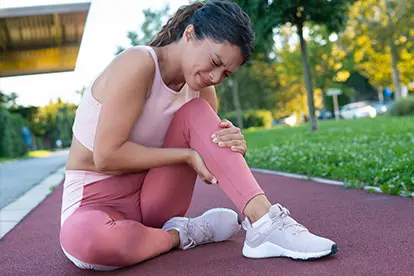 Sporting activities can affect the intestines in different ways. One of the main causes is the redistribution of blood during intense physical exertion. The body directs blood preferentially to the working muscles, which leads to reduced blood flow to the intestines. This reduced blood flow impairs nutrient absorption and digestive processes, as there is less blood and therefore less oxygen and nutrients available in the intestines. Another influencing factor is mechanical stress, which is particularly important when running. The movements and vibrations put pressure on the abdominal cavity, which can lead to digestive problems such as abdominal pain or cramps. This mechanical strain can put additional stress on the intestines and impair their normal function. The permeability of the intestine can also be altered by sporting activities. Intense physical exertion can increase intestinal permeability, making the intestinal barrier more permeable. As a result, unwanted substances can enter the bloodstream, which can trigger symptoms such as nausea, cramps and diarrhea. In addition, prolonged physical stress can disrupt the balance of the intestinal flora. The intestinal microflora is crucial for digestion and the immune system. Intense and prolonged stress can disrupt the natural balance of gut bacteria, increasing the risk of inflammation and infection. In addition to these direct influences, insufficient fluid and food intake before or during exercise can also lead to intestinal problems. If the body is not sufficiently hydrated or does not receive enough nutrients, this can put additional strain on bowel function and increase discomfort.
Intestinal health: symptoms and long-term consequences of sporting activities
The immediate symptoms that can result from exercise include side stitches, nausea, vomiting, diarrhea, bloating and cramps. These symptoms often occur directly during or shortly after exercise and can significantly impair athletic performance. In the long term, persistently increased intestinal permeability can lead to silentinflammation, so-called “silent inflammation“, which is not noticed immediately but can lead to significant health problems over time. These include food intolerances such as lactose intolerance, fructose malabsorption, histamine intolerance, gluten intolerance, coeliac disease and chronic inflammatory diseases, which can severely impair quality of life. Persistent inflammation in the gut can also lead to general fatigue and increasing tiredness, which reduces performance both in sport and in everyday life. Impaired intestinal health is also associated with an increased susceptibility to infections. As the gut plays a central role in the immune system, impaired gut function can weaken the body’s defenses and increase susceptibility to infections. This can be particularly problematic for athletes who rely on stable health in order to be able to train continuously and take part in competitions.
The benefits of zeolite for physical and mental health for athletes
 Zeolite is also increasingly appreciated for its numerous health benefits in high-performance sport and among amateur athletes. It has been shown that zeolite can optimize personal performance and contribute to faster regeneration after intensive training sessions. This is particularly important for athletes, as it enables them to increase their training intensity and at the same time recover more quickly from physical exertion. A key benefit of zeolite is its ability to strengthen the immune system . By binding and eliminating harmful substances and heavy metals such as lead, cadmium or arsenic as well as ammonium, zeolite helps to detoxify the body and thus reduce the burden on the immune system. A strengthened immune system is crucial for general health and well-being, especially for people who regularly engage in intense physical activity. Zeolite also plays an important role in reducing inflammatory reactions in the body. Inflammation can be exacerbated by intense exercise and lead to muscle soreness and other ailments. The anti-inflammatory properties of zeolite help to minimize these reactions and speed up recovery. In addition, zeolite strengthens the gastrointestinal tract and improves the overall intestinal environment. A healthy gut is essential for efficient digestion and nutrient absorption as well as overall health. Zeolite supports the intestinal barrier and helps treat leaky gut syndrome by reducing intestinal permeability and strengthening the integrity of the intestinal mucosa. Another notable benefit of zeolite is its ability to demonstrably reduce the lactate load during intensive training and competition. Lactates are salts or esters of lactic acid, which are by-products of anaerobic metabolism during intense physical activity. Lactate that accumulates in the muscles can lead to fatigue and a drop in performance. By reducing the formation of lactate, zeolite supports the maintenance of physical performance and enables athletes to train and compete at a high level for longer. Zeolite therefore offers athletes far-reaching support and benefits, whether in high-performance sport or amateur sport. The diverse and above all natural effects of zeolite make it a valuable part of the health and wellness routine for anyone who is active in sport and wants to optimize their physical and mental health in a natural way.


