
Zeolite for skin conditions
Zeolite: The volcanic mineral and its versatile benefits for unhealthy skin
Reading time approx. 7 minutes
Many skin diseases are closely linked to gut health
Skin conditions are varied and can cause a range of unpleasant symptoms such as itching, redness, scaling and pain. The most common skin conditions for which additive treatment with zeolite can be helpful include psoriasis, neurodermatitis, eczema and acne. The fact that such skin diseases are on the rise is also linked to our environmental stresses , which are placing increasing demands on the skin as our largest organ. In addition, the functions and resilience of the skin are closely linked to intestinal health.
Environmental pollution, gut health and its effects on the skin
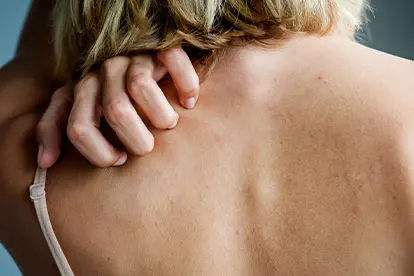 Increasing environmental pollution has a demonstrably negative impact on skin health. Air pollutants such as particulate matter, ozone and so-called polycyclic aromatic hydrocarbons (PAHs) – organic compounds that are produced by incomplete combustion of materials such as coal, oil, gas and wood – can damage the skin, lungs and other organs, damage the skin barrier and trigger oxidative stress reactions. This leads to inflammatory skin diseases such as acne, neurodermatitis and psoriasis. Pollutants in the air can also increase the risk of skin cancer and accelerate skin ageing. Exposure to heavy metals such as lead, cadmium or mercury as well as the light metal aluminum also contribute to a weakening of natural skin functions through their deposition in the internal organs, especially in the intestines. The health of the skin is closely linked to the health of the gut. A disturbed gut can lead to increased permeability of the intestinal wall(leaky gut syndrome), allowing toxins and microbes to enter the bloodstream and trigger systemic inflammation, which also affects the skin. A healthy intestinal flora supports the immune system and can help to reduce inflammatory skin diseases. Zeolite is the supportive agent of choice to counteract skin diseases with naturopathy.
Neurodermatitis (atopic dermatitis): causes and symptoms at a glance
Neurodermatitis, also known as atopic dermatitis, is a chronic inflammatory skin disease that occurs in episodes. It is characterized by severely irritated, dry and itchy skin. During flare-ups, the skin can become inflamed and weepy over large areas. The affected skin areas are often dry, rough and can thicken and harden(lichenification). Atopic dermatitis has multifactorial causes, which means that several factors contribute to its development. These include genetic predisposition, environmental factors and the immune system. People with atopic dermatitis often have a family history of allergic diseases such as asthma or hay fever. Genetic predisposition is thought to be one of the main causes of atopic dermatitis. Mutations in the filaggrin gene (FLG), which is responsible for the formation of an important skin barrier protein, are frequently found in people with atopic dermatitis. A defective skin barrier causes the skin to lose moisture and become more susceptible to irritation and infection. Environmental pollution such as pollutants, heavy metals, allergens, climatic conditions and skin irritation caused by chemicals or clothing can also be triggers for flare-ups of atopic dermatitis. Air pollution and a high concentration of fine dust particles are also associated with a worsening of symptoms. Atopic dermatitis leads to an overreaction of the immune system, which causes inflammation in the skin. The skin barrier is disrupted, which facilitates the penetration of allergens and microorganisms and leads to further inflammation.
Zeolite as a supportive treatment method for neurodermatitis
Zeolite can be taken orally in the form of a cure to detoxify the intestines and thus support the immune system. By binding heavy metals and other toxins in the intestine, the burden on the immune system is reduced, which can have a positive effect on skin health. Zeolite can also be applied externally in the form of creams, compresses or as a powder directly to the affected areas of skin. It helps to reduce inflammation, soothe the skin and promote healing by binding harmful substances and excess moisture.
Psoriasis: A common but non-contagious skin disease
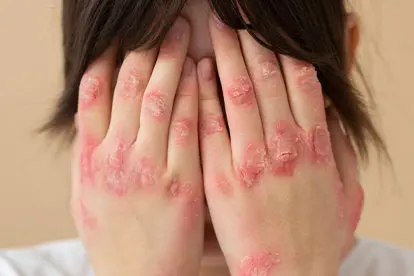 Psoriasis is a chronic, non-contagious autoimmune disease that mainly affects the skin, but can also affect other organs and joints. Characteristic symptoms are sharply defined, red patches covered with silvery scales. These so-called plaques often appear on the elbows, knees, lower back and scalp. They cause severe itching, pain and can become inflamed. Psoriasis is caused by a dysregulation of the immune system, in which the immune cells attack the body’s own skin cells and trigger inflammation. This leads to a greatly accelerated renewal of the skin cells. Instead of renewing themselves within around 28 days, psoriasis patients do so within a few days. This leads to an accumulation of skin cells that form the typical scales and thickened patches of skin. Genetic predisposition plays a major role in psoriasis, but environmental factors and lifestyle can also trigger or exacerbate psoriasis flare-ups. These include exposure to pollutants, stress, infections, skin injuries, certain medications, alcohol and tobacco consumption as well as hormonal changes. People with psoriasis also have an increased risk of various comorbidities such as diabetes, cardiovascular disease, high blood pressure, obesity and inflammatory bowel disease, as the ongoing inflammatory reactions weaken the entire immune system.
Zeolite as a supportive treatment for psoriasis
Zeolite can be taken orally to detoxify the gut and thus support the immune system. By binding heavy metals and other toxins in the intestine, the burden on the immune system is reduced, which can have a positive effect on skin health. The volcanic rock zeolite can also be applied directly to the affected areas of skin in the form of creams, compresses or as a sprinkled powder . It helps to reduce inflammation, soothe the skin and promote wound healing by binding harmful substances and excess moisture.
Acne (acne vulgaris): causes, symptoms and support with zeolite
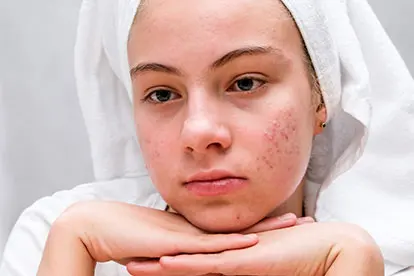 Acne, medically known as acne vulgaris, is one of the most common skin diseases that occurs mainly during puberty, but can also affect adults. Typical symptoms are blackheads (comedones), inflamed pimples (papules) and pustules (pustules). These often appear on the face, chest, shoulders and back. In severe cases, deeper lumps (nodules) and abscesses can form, which can leave scars. The development of acne is complex and is influenced by a combination of factors. During puberty in particular, increased levels of androgens (male sex hormones) lead to increased sebum production. This excess sebum can clog the pores and form blackheads. Acne is more common in people whose parents also suffered from acne, which indicates a genetic component. Propionibacterium acnes, a bacterium that occurs naturally on the skin, can also trigger an inflammatory reaction in clogged pores. Certain medications, stressful life situations, an oily diet and inadequate skin care can also aggravate acne.
Treatment of acne and skin care: medical therapy is often necessary
The treatment of acne depends on the severity of the condition and includes various methods. Creams and gels containing benzoyl peroxide, retinoids or – in severe cases – antibiotics are applied directly to the skin to reduce inflammation and kill bacteria. In particularly severe cases, oral antibiotics, hormonal therapies or isotretinoin may be prescribed. Daily cleansing with mild, pH-neutral cleansers and the use of non-comedogenic moisturizers can help keep the skin clean and hydrated without clogging pores.
Zeolite as a gently effective, supportive treatment for acne
Zeolite can provide good services for acne: the natural stone can be taken orally to detoxify the body and support the immune system. It binds heavy metals and other toxins in the intestine, which reduces the burden on the immune system and can therefore indirectly promote skin health. Used externally, zeolite can also be applied in the form of masks, creams or poultices . Its ability to absorb excess sebum and reduce inflammation makes zeolite a useful addition in the treatment of acne. The volcanic mineral helps to soothe the skin, reduce inflammation and promote healing.
Eczema: dermatitis affects almost everyone at some point in their lives
Eczema, also known as dermatitis, is an inflammatory skin condition characterized by itching, redness, blisters, pustules and crusting. They can be acute or chronic and often occur on the hands, arms, legs, face and skin folds. Typical symptoms are sharply defined redness, blisters containing clear fluid and the formation of crusts and scales during healing. The development of eczema is complex and can be caused by various factors. Eczema can be triggered by external (exogenous) and internal (endogenous) causes. External factors include direct contact with allergenic substances such as nickel, latex or fragrances in cosmetics, excessive washing, contact with cleaning agents or disinfectants can weaken the skin barrier and lead to eczema. Internal factors such as a hereditary predisposition, also known as atopy, can also promote the development of eczema. People with atopy are more likely to develop eczema, asthma or hay fever. A malfunction of the skin barrier, which leads to dry skin, can also promote eczema, as allergens can penetrate the skin more easily and trigger an immune reaction.
Treatment of eczema: Combination of medicinal and natural methods
The treatment of eczema depends on its cause and severity. Combinations of medicinal and non-medicinal methods are often used. Topical treatments, for example, are local applications such as creams and ointments with anti-inflammatory agents (e.g. cortisone) that help to reduce inflammation and relieve itching. For weeping eczema, ointments containing water are used; for dry eczema, ointments containing fat are used. Then there are the systemic treatments: In severe cases, oral medications such as antihistamines or immunomodulators may be prescribed to relieve symptoms and regulate the immune system.
Strengthen the skin barrier and alleviate symptoms with zeolite
Skin care is particularly important for eczema . Regular use of moisturizing skin care products helps to strengthen the skin barrier and keep the skin supple. Zeolite is an effective and natural aid in the treatment of eczema. The volcanic rock can be taken orally to detoxify the body and support the immune system. Zeolite can also be used externally to help eczema heal more quickly: In the form of creams, compresses, baths and as a powder, zeolites help to absorb excess moisture, bind the ammonium produced during cell death, reduce inflammation and thus support healing.
Zeolite: An all-rounder to support skin health
Zeolite is a versatile mineral that can be used both internally to detoxify the body and externally to treat skin conditions. By reducing toxins and supporting skin healing, zeolite can be a valuable addition to conventional therapies.


