
Intestinal disorders
From common complaints to rare diseases
Reading time approx. 13 minutes
Diseases of the digestive tract: from everyday complaints to rare diagnoses
The intestine is a central organ of our body and can naturally be affected by numerous diseases. While some of these diseases are common and well known, there are also rarer diseases that are no less serious for those affected.
In the following overview, we therefore provide an overview of numerous well-known and less well-known intestinal diseases:
Irritable bowel syndrome (IBS)
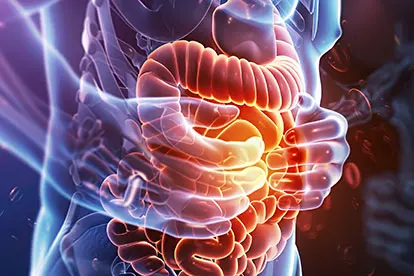 Irritable bowel syndrome is one of the most common intestinal disorders and affects millions of people worldwide. It is a functional disorder in which there is no visible damage to the bowel, but the symptoms can have a significant impact on daily life. Causes and risk factors: The exact causes of irritable bowel syndrome are not yet fully understood. It is assumed that a combination of disturbed intestinal movement (motility), increased intestinal sensitivity to pain and psychological factors such as stress or anxiety disorders play a role. Disturbed intestinal flora and an imbalance in the intestinal barrier can also contribute to irritable bowel syndrome. Symptoms: Typical symptoms include abdominal pain, flatulence, bloating and changing bowel habits – from diarrhea to constipation. Many sufferers also experience an unpleasant feeling of pressure in the abdomen or an incomplete emptying sensation after going to the toilet. Treatment: As irritable bowel syndrome is a chronic condition, treatment aims to alleviate the symptoms and improve quality of life. This includes dietary changes, stress management and, in some cases, drug treatments such as antispasmodics. Zeolite in particular can be used as a natural supplement to relieve the intestines by binding harmful substances and supporting the intestinal flora. This can have a soothing effect, particularly in the case of flatulence and intolerances.
Leaky gut (permeable bowel)
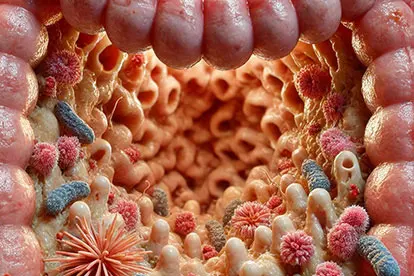 Leaky gut, also known as“permeable gut“, is a condition in which the intestinal mucosa loses its protective function and harmful substances such as toxins, incompletely digested food particles and bacteria enter the bloodstream. This condition is increasingly associated with various chronic diseases and inflammatory processes in the body. Incidentally, “leaky gut” is not yet an officially recognized diagnosis in conventional medicine, but rather a collective term for various symptoms that indicate increased permeability of the intestinal mucosa. Although the phenomenon of increased intestinal permeability (permeable intestinal wall) is being researched in conventional medicine due to the sharp rise in the number of cases, the concept has not yet been uniformly recognized as a disease in its own right. Causes and risk factors: The causes of leaky gut are varied and include chronic stress, an unhealthy diet (especially one rich in processed foods and sugar), antibiotic use and environmental toxins. Chronic intestinal diseases such as Crohn’s disease or coeliac disease can also weaken the intestinal barrier. Impaired intestinal flora and inflammatory processes also contribute to the development of leaky gut. Symptoms: The typical symptoms of a leaky gut include digestive problems such as flatulence, diarrhea or constipation. As the leaky gut affects the whole body, systemic symptoms also occur, including chronic fatigue, joint pain, skin problems and food intolerances. Many sufferers also report concentration problems and mood swings. Treatment: The treatment of leaky gut focuses on restoring the intestinal barrier and promoting healthy intestinal flora. This includes an anti-inflammatory diet rich in fiber, probiotics and prebiotic foods. Stress reduction and adequate nutrient intake (especially zinc, omega-3 fatty acids and antioxidants) are also important . Zeolite can have a proven supportive effect in the treatment of leaky gut, as it binds toxins and harmful substances that place additional strain on the intestines. The volcanic rock can also help to reduce inflammatory processes, stabilize the intestinal wall and thus promote the healing process.
Ulcerative colitis
Ulcerative colitis is a chronic inflammatory bowel disease that exclusively affects the large intestine. The inflammation spreads continuously and affects the innermost layer of the intestinal mucosa, which leads to severe symptoms. Causes and risk factors: The exact causes are unclear, but a malfunction of the immune system is suspected, in which the intestinal mucosa is attacked. Genetic predispositions, environmental factors and a disturbed intestinal flora also play a role. Symptoms: Typical symptoms include bloody diarrhea, abdominal pain, a strong urge to defecate and weight loss. In severe cases, complications such as toxic megacolon can occur, in which the large intestine is massively distended and requires urgent treatment. Treatment: Treatment today consists mainly of the administration of anti-inflammatory drugs such as corticosteroids and immunosuppressants. In some cases, surgical removal of the colon may be necessary. Zeolite can help to bind pro-inflammatory substances, stabilize the intestinal flora and support the healing process, especially during and after drug treatment.
Crohn’s disease
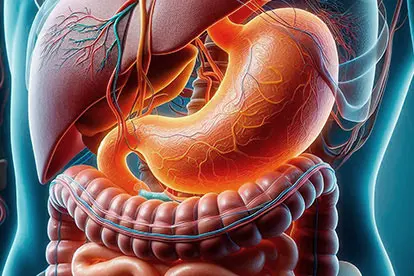 Crohn’s disease is another chronic inflammatory bowel disease, but it can occur throughout the gastrointestinal tract, from the mouth to the anus. The inflammation often penetrates all layers of the intestinal wall, which can lead to scarring and narrowing. Causes and risk factors: Experts also suspect that Crohn’s disease is caused by a malfunction of the immune system, which is influenced by genetic and environmental factors. Impaired intestinal flora and certain bacteria may play a role in its development. Symptoms: Abdominal pain, chronic diarrhea, fever and weight loss are common symptoms. In advanced cases, abscesses, fistulas or intestinal obstructions may develop, requiring surgical treatment. Treatment: Treatment is similar to that of ulcerative colitis and includes anti-inflammatory drugs and immunosuppressants. Surgery is often necessary for complications. Zeolite can be used as an adjunct to bind toxins, promote gut health and reduce inflammation. This supports the intestines during acute flare-ups and in the regeneration phase.
Lactose intolerance
Lactose intolerance is a now widespread metabolic disorder in which the body cannot digest milk sugar (lactose) properly. This leads to digestive problems after consuming dairy products. Causes and risk factors: Lactose intolerance is caused by a lack of lactase, the enzyme that breaks down lactose in the small intestine. This enzyme deficiency can be congenital or develop with increasing age. Lactose intolerance is particularly widespread in Asia and Africa, but the condition is also spreading rapidly in Europe. Symptoms: Typical symptoms are flatulence, abdominal cramps, diarrhea and nausea after consuming dairy products. The symptoms usually occur one to three hours after eating. Treatment: The simplest treatment is, of course, to reduce the consumption of lactose or to use lactose-free products. However, zeolite can help to soothe the intestines in general by binding gases and other digestive residues that are produced during the incomplete digestion of lactose. Zeolite can thus reduce flatulence and discomfort.
Celiac disease
Coeliac disease is an autoimmune disorder in which the consumption of gluten, a protein found in grains such as wheat, barley and rye, triggers an inflammatory reaction in the small intestine. This leads to damage to the mucous membrane of the small intestine and impairs the absorption of nutrients. Causes and risk factors: Coeliac disease is probably triggered by a genetic predisposition. In those affected, contact with gluten causes the immune system to attack the intestinal mucosa. The resulting inflammation destroys the intestinal villi, which are responsible for the absorption of nutrients. This often results in deficiency symptoms. Symptoms: Symptoms range from abdominal pain, diarrhea and flatulence to fatigue, weight loss and deficiency symptoms, such as iron deficiency or vitamin D deficiency. Children with coeliac disease also often suffer from growth disorders and developmental delays. Treatment: The only effective treatment would be a lifelong gluten-free diet, which prevents inflammation in the intestines and allows the mucous membrane to heal. But this is often hardly possible and requires a high degree of discipline. Zeolite in particular can also be used in coeliac disease to relieve the intestines by binding harmful substances and supporting the regeneration of the intestinal mucosa. This is particularly helpful in the initial phase of the dietary change in order to stabilize the intestinal flora and improve digestion.
Diverticulitis
Diverticulitis is an inflammatory disease of the large intestine caused by infections in the so-called diverticula, small protrusions of the intestinal wall. This disease occurs mainly in older people and is widespread in our western countries. Causes and risk factors: Diverticula are often caused by increased pressure in the intestine, which is linked to a low-fiber diet and chronic constipation. If these protrusions become inflamed, this is known as diverticulitis. Symptoms: Typical signs of diverticulitis are severe pain in the lower left abdomen, fever, digestive problems and sometimes blood in the stool. In severe cases, abscesses or even a rupture of the intestine can occur, which constitutes a medical emergency. Treatment: In mild cases, the condition is treated with antibiotics and a high-fiber diet. In cases of recurrent or severe inflammation, surgery may be necessary to remove the affected section of the intestine. Zeolite can be used alongside therapy to regulate the intestinal barrier and bind pro-inflammatory substances, which supports the healing process. It also helps to restore intestinal health more quickly during and especially after taking antibiotics.
Colorectal cancer
Colorectal cancer, also known as colorectal carcinoma, is the most common cancer in western industrialized nations and is showing a steadily increasing prevalence, i.e. more and more people are developing it, even though more and more screening tests are being carried out. It is a malignant tumor that forms in the colon or rectum . Although bowel cancer often shows symptoms late, early detection is crucial for successful treatment. In many cases, bowel cancer develops slowly over a period of years, often from benign polyps that can become malignant over time. Causes and risk factors: Bowel cancer develops from the cells of the bowel mucosa. Benign precursors, so-called adenomas or polyps, can develop into malignant tumors over time. The exact causes are complex and multifactorial, with genetic factors as well as environmental and lifestyle factors playing a role. A high consumption of red and processed meat, smoking, alcohol, obesity and lack of exercise increase the risk. There is also a familial clustering in certain genetic syndromes, such as familial adenomatous polyposis (FAP) or Lynch syndrome. Symptoms: In the early stages, bowel cancer often causes no noticeable symptoms. However, the first signs may include blood in the stool, persistent digestive problems such as diarrhea or constipation, abdominal pain and unexplained weight loss. Sometimes there are also general symptoms such as tiredness and weakness caused by an iron deficiency due to hidden bleeding in the intestine. Early detection and diagnosis: Early detection is crucial for the prognosis of bowel cancer. From a certain age (usually from the age of 50), screening tests such as colonoscopy are recommended to detect and remove polyps before they become malignant. Another test for early detection is the immunological test for occult blood in the stool (iFOBT). If abnormalities are detected, a tissue sample can be taken and examined in the laboratory to confirm the diagnosis. Treatment: The treatment of bowel cancer depends on the stage of the disease. In early stages, surgical removal of the tumor may be sufficient. In advanced stages, chemotherapy and radiation are often used to reduce the tumor mass or to combat metastases. In some cases, targeted therapies that attack specific molecules in the tumor are also used. Zeolite can be used as an adjunct to support the body during chemotherapy. Zeolite binds harmful substances and heavy metals released by aggressive cancer treatment and can therefore help to alleviate side effects and relieve the bowel during therapy. Zeolite can also help to strengthen the intestinal barrier and support digestion after surgery or during drug therapy. Prognosis: The prognosis for bowel cancer depends heavily on the stage of diagnosis. If the cancer is detected early, the chances of recovery are now over 90 percent. In advanced stages, the survival rate decreases, especially if the cancer has already spread to other organs (metastases). Early detection is therefore of crucial importance. Regular check-ups and a healthy lifestyle can significantly reduce the risk of recurrence.
Intestinal obstruction (ileus)
Intestinal obstruction, also known as ileus, is an acute condition in which the transportation of intestinal contents is disrupted. This can be life-threatening and requires immediate medical treatment. Causes and risk factors: Intestinal obstruction can be caused mechanically, for example by adhesions after surgery, tumors or gallstones. There is also a so-called paralytic ileus, in which the intestinal muscles fail and the movement of the intestinal contents stops, usually after severe infections or operations. Symptoms: The typical symptoms of an intestinal obstruction are sudden, severe abdominal pain, vomiting, lack of bowel sounds and absence of bowel movements. The abdomen may be very distended and painful. Treatment: An intestinal obstruction is an emergency and often needs to be treated surgically to remove the blockage. After an operation, zeolite can help to support the regeneration of the intestine by binding toxins and harmful substances that accumulate in the intestine. Zeolite can also help to reduce inflammation and support the bowel in returning to normal function.
Short bowel syndrome
Short bowel syndrome can occur when large parts of the small intestine have been removed or are no longer functional. As the small intestine is responsible for the absorption of most nutrients, the syndrome leads to severe digestive problems and deficiency symptoms. Causes and risk factors: Short bowel syndrome usually occurs after the surgical removal of parts of the small intestine that have been damaged by diseases such as Crohn’s disease, tumors or injuries. Without sufficient small intestinal space, the body cannot absorb enough nutrients, leading to serious deficiencies. Symptoms: Those affected suffer from chronic diarrhea, weight loss, malnutrition and often severe mineral and vitamin deficiencies. The absorption of fluids and nutrients is severely restricted, which leads to constant exhaustion. Treatment: The therapy consists of a specially adapted diet and the supply of nutrients via infusions or food supplements. Zeolite can also help to bind excess fluid in the intestines and regulate digestion. It can also help to eliminate harmful substances and protect the intestinal mucosa to improve nutrient absorption.
Bacterial intestinal infections
 Bacterial intestinal infections caused by pathogens such as Salmonella, Escherichia coli or Clostridium difficile can lead to serious digestive problems. They often occur after consuming contaminated food or water. Causes and risk factors: Bacteria enter the digestive tract via contaminated food and multiply rapidly. Salmonella in particular is known to cause food poisoning. Clostridium difficile infections often occur after antibiotic therapy , which throws the natural intestinal flora out of balance. Symptoms: Diarrhea, abdominal cramps, nausea and vomiting are typical symptoms of bacterial intestinal infections. Severe infections can lead to high fever and bloody stools. Treatment: Depending on the severity of the infection, treatment is with antibiotics or fluid intake to compensate for the loss of electrolytes. Zeolite can help to bind the toxins released by the bacteria and alleviate the symptoms. After antibiotic treatment, zeolite helps to restore the intestinal flora and can reduce the risk of recurrence.
Worm infections
Worm infections are among the most common intestinal diseases worldwide, especially in tropical and subtropical regions. Although they are less common in Europe, infections with pinworms, tapeworms or roundworms cannot be ruled out here either, especially in children. Causes and risk factors: Worm infections are transmitted through the consumption of contaminated food, inadequate hygiene or contact with infected animals. The worm eggs enter the digestive tract where they develop into adult parasites that feed on the intestinal contents. Pets such as dogs and cats do not generally pose an increased risk of worm infections if they are well cared for and regularly examined by a vet. Symptoms: Typical symptoms are abdominal pain, nausea, weight loss and itching in the anal area, especially in the case of pinworm infections. Sometimes the worms are also visible when they leave the body in the stool. Treatment: Worm infections are treated with antiparasitic medication that kills the worms. Zeolite can have a supportive effect here by binding the toxins and harmful substances excreted by the parasites and thus alleviating the symptoms. After treatment, zeolite helps to stabilize the intestinal flora and promote the healing process.
Angiodysplasia of the intestine
 Angiodysplasia is a rare vascular disease of the intestine in which abnormal blood vessels form in the intestinal wall, which can lead to uncontrolled bleeding. This disease occurs mainly in older people and can lead to repeated bleeding in the digestive tract. Causes and risk factors: The causes of angiodysplasia are not fully understood, but it is suspected that impaired blood flow in the intestinal wall and age-related changes in the blood vessels play a role. Chronic diseases such as heart failure or high blood pressure increase the risk. Symptoms: Symptoms range from blood in the stool to weakness and anemia, as the repeated bleeding leads to an iron deficiency. Bleeding is often gradual and is only recognized late. Treatment: Treatment includes endoscopic procedures in which the affected blood vessels are sclerosed. In severe cases, surgery may be necessary. Zeolite can also be used to relieve the bowel and bind substances that promote inflammation. This can help to protect the mucous membrane and reduce the risk of further bleeding.
Hemorrhoids
Hemorrhoids are enlarged vascular cushions in the anus that normally help to control bowel movements. If they swell or become inflamed, they can cause pain, itching and bleeding. Causes and risk factors: Hemorrhoids are often caused by increased pressure in the abdomen, such as occurs with chronic constipation, pushing hard during bowel movements or during pregnancy. Prolonged sitting can also increase the risk. Symptoms: The typical symptoms are itching, pain during bowel movements and bleeding. In advanced stages, hemorrhoids can protrude outwards and become visible, causing additional discomfort. Treatment: In early stages, hemorrhoids are treated with a high-fiber diet, creams and sitz baths to relieve discomfort. In severe cases, sclerotherapy or surgical removal may be necessary. Zeolite can provide support here by regulating the bowel and inhibiting inflammatory processes in the anus area. It can also help to soothe the mucous membrane and reduce the pressure in the abdominal cavity, which can prevent the progression of hemorrhoids.
Zeolite: A natural ally in the fight against intestinal diseases
The intestine is not only the center of our digestion, but also a mirror of our general health. Intestinal diseases, whether frequent or rare, can have a significant impact on our lives. However, in addition to the tried and tested conventional medical treatment approaches , nature offers valuable support in the form of zeolite. With its unique ability to bind pollutants, relieve inflammation and protect the intestinal barrier, the volcanic rock zeolite is a remedy of choice to relieve the intestines in numerous diseases. Whether for chronic inflammation such as Crohn’s disease and ulcerative colitis, functional disorders such as irritable bowel syndrome and leaky gut syndrome or acute infections and parasite infestations – zeolite can be used as an additive treatment in many cases to promote recovery and accelerate the healing process. Zeolite helps to balance the intestines, stabilize the intestinal flora and support the body in coping with stress. Zeolite thus becomes a natural ally that strengthens the intestine and gives it the strength to defend itself against the many challenges it faces on a daily basis.


