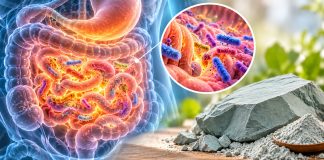
Silent inflammation as an unnoticed danger and trigger for numerous diseases
Silent inflammation is a term that is increasingly coming into focus in medicine. It refers to the long little-known fact that permanent and imperceptible, i.e. silent, inflammation in the body can lead to numerous damages and diseases in the body in the medium and long term.
Classic inflammation is a natural and healthy reaction of our immune system to internal or external stimuli, such as pathogens like viruses and bacteria or an injury. The inflammatory process ends when the infection has subsided or the injury has healed. However, the situation is completely different with so-called “silent inflammations”, which have increasingly become the focus of scientific attention in recent times.
Silent inflammations are invisible foci of fire in the body. They flare up in secret and often go unnoticed. This is precisely where their danger lies: they work covertly but steadily to weaken the body and can thus become a breeding ground for chronic diseases such as diabetes, cardiovascular diseases or neurodegenerative diseases such as Alzheimer’s disease. Autoimmune diseases such as Crohn’s disease or rheumatoid arthritis are also promoted by these chronic, low-grade inflammations.
Why Silent Inflammation is in focus today
In recent years, scientific knowledge on silent inflammation has grown considerably. Numerous studies have shown that factors such as an unhealthy diet, lack of exercise, environmental toxins and chronic stress in particular promote inflammatory processes in the body.
Modern eating habits, which are often far too rich in sugar, highly processed foods and harmful additives, have significantly increased the problem of silent inflammation in the population, as a disturbed intestinal barrier and obesity – especially in the form of visceral fat on the abdomen – open the door to silent inflammation.
Once again, the focus here is on the intestine and, in the case of silent inflammation, the intestinal barrier, i.e. the intestinal wall. A healthy intestinal barrier plays a crucial role, as it can act like a protective wall that keeps inflammatory factors at bay. However, if this barrier is disrupted, it literally opens the door to silent inflammation and makes the body more susceptible.
A disturbed intestinal barrier as a precursor for silent inflammation
You can think of the intestinal barrier as a solid city wall that protects the body from harmful intruders. In our intestines, this barrier consists of a thin layer of cells that allows nutrients to pass through but also fends off harmful substances such as bacteria, viruses and toxins. An intact intestinal barrier is therefore crucial for the health of the entire organism.
However, if this protective system becomes unbalanced, the wall becomes fragile. This condition is known in medicine as “leaky gut syndrome” or “permeable gut”. Harmful substances can then enter the bloodstream more easily and overwhelm the immune system.
A disturbed intestinal barrier thus becomes the starting point for silent inflammation. Instead of keeping harmful substances out, the gut allows them into the body, where they can quietly but steadily trigger inflammatory reactions. Over time, this can create the basis for chronic diseases. The cardiovascular system, metabolism and nervous system, which are particularly susceptible to silent inflammation, are often particularly affected.
Causes of a weakened intestinal barrier: too much sugar, environmental toxins and stress
Why does the intestinal barrier become permeable in the first place? Various factors contribute to the weakening of the barrier. For example, high sugar consumption and highly processed foods can unbalance the intestinal flora, i.e. the microbiome, and promote the growth of harmful bacteria. Environmental toxins such as pesticides and heavy metals that we absorb through food and air, as well as medications such as antibiotics, also put a strain on the gut and weaken its protective function. Chronic stress also has a negative effect on intestinal health, as it releases pro-inflammatory messenger substances and makes the barrier more vulnerable.
Obesity as another key factor for silent inflammation
In addition to the stress on the intestines and the resulting impaired intestinal barrier, the second key factor in the development of silent inflammation is visceral fat. This fat accumulates specifically in the abdominal cavity and surrounds the internal organs – mainly the stomach, intestines, liver and kidneys. This fat has special properties, as it can have a direct effect on metabolism and inflammation in the body due to its proximity to the organs.
Visceral fat is particularly metabolically active and releases pro-inflammatory messengers such as cytokines, including interleukin-6 (IL-6) and tumor necrosis factor-alpha (TNF-alpha). These substances trigger chronic inflammatory processes in the body. Visceral fat also releases free fatty acids, which burden the liver and can therefore increase insulin resistance, which in turn increases the tendency to inflammation. An excess of visceral fat thus leads to a continuous inflammatory stimulus in the body, which has a gradual effect on the development of diseases.
The good news, however, is that we are not helplessly at the mercy of these silent inflammations, but can take various measures to protect ourselves from these insidious dangers.
One of the most effective methods for reducing visceral fat is regular physical activity, especially endurance sports such as jogging, cycling or swimming, which specifically boost the fat metabolism. A diet rich in fiber, preferably unprocessed, can also help, as it balances out blood sugar fluctuations and regulates the feeling of hunger. Stress reduction also plays a major role, as chronic stress promotes fat deposition in the abdominal area – relaxation techniques such as yoga or meditation can help here. The most important thing, of course, is to avoid sugar as much as possible. This is also good for intestinal health.
Various measures to strengthen the intestinal barrier and reduce silent inflammation
To strengthen the intestinal barrier and eliminate the basis for silent inflammation, there are various approaches that can be easily implemented in everyday life. In addition to a balanced, high-fiber diet and a conscious lifestyle, the targeted intake of zeolite and certain dietary supplements can also be useful.
Zeolite is an essential aid in strengthening the intestinal barrier. This is because zeolite acts like a fine-meshed net in the intestine, trapping and binding heavy metals such as lead, arsenic, cadmium, chromium and nickel and toxins such as pesticide residues from our food and safely removing them from the body. In this way, the volcanic rock zeolite relieves the immune system and supports the intestinal barrier in maintaining its protective function.
Zeolite is a fundamental measure here, which should of course be supplemented by supporting the microbiome. Probiotic foods such as yoghurt or fermented vegetables provide valuable microorganisms that stabilize the microbiome and thus keep harmful bacteria in check.
Other plant substances, including camomile, ginger, omega-3 and turmeric, also have an anti-inflammatory effect and help to regenerate the intestinal barrier. It is also advisable to eat a varied and nutritious diet that contains plenty of vegetables, wholegrain products and healthy fats, as these provide the building blocks that the intestine needs for its cells and to renew the barrier.
Finally, regular exercise and conscious stress reduction, for example through breathing techniques or walks, are also important. Exercise not only helps to strengthen the circulation, but also has an anti-inflammatory effect and promotes blood flow to the intestines, which supports the regeneration of the intestinal wall.
A healthy gut as a protective shield against chronic diseases
By actively and preventively taking care of our gut health, we create the best conditions for preventing or at least reducing silent inflammation. In this way, we can maintain our health in the long term and significantly reduce the risk of chronic diseases.
Study selection:
https://link.springer.com/article/10.1007/s11739-023-03374-w
https://academic.oup.com/crohnscolitis360/article/3/3/otab059/6373966
https://pubmed.ncbi.nlm.nih.gov/35897790