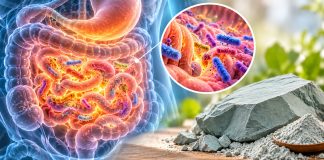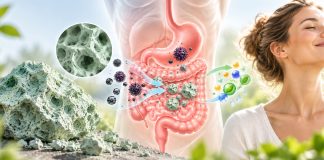
Why chronic conditions – including Long COVID and ME/CFS – can only be successfully treated if we view the human being as a holistic biological system
Wherever he is, medicine is at the forefront: Dr. Gerhard Siebenhüner, MD, a specialist in general medicine who also holds degrees in physics and mathematics, is considered one of Germany’s most extraordinary physicians. The director of the “Center for Advanced Medicine” in Frankfurt am Main has been combining modern conventional medicine with interdisciplinary insights from immunology, metabolic medicine, preventive medicine, and environmental medicine for more than four decades to develop consistently individualized treatment plans. Patients from all over Europe, the Middle East, Africa, Asia, and even Australia and New Zealand come to him when conventional therapies reach their limits or complex diseases require a completely new medical perspective. In doing so, he works closely with colleagues at Goethe University Frankfurt.
This experienced physician views chronic diseases as the result of complex biological interrelationships: for him, the intestinal barrier, the microbiome, environmental toxins, metabolism, the immune system, and regenerative medicine interventions are inextricably linked. Based on this approach, he is already relying on forward-looking concepts and therapeutic methods that are only now gaining broader acceptance in the scientific community – ranging from intestinal regeneration with PANACEO’s PMA zeolite to modern therapeutic apheresis procedures and the extracorporeal hyperthermia perfusion (EHP) method he developed himself, which is (still) unique in Germany.
In an interview with ZEOLITH WISSEN, Dr. Gerhard Siebenhüner explains why SIBO and chronic intestinal diseases continue to be massively underestimated today, why environmental stressors often insidiously alter the body over the course of years, what possibilities modern apheresis offers for Long COVID, ME/CFS, autoimmune diseases, and even cancer – and why prevention and longevity today must be far more than just a healthy lifestyle.
Dr. Gerhard Siebenhüner: Understanding chronic diseases means viewing the person as a whole
Dr. Gerhard Siebenhüner (GS): “I consistently advance our understanding of medicine by simply following our natural biology.
That’s why I’m not primarily interested in how we’ve ‘always’ treated diseases, but rather in what current scientific findings make possible – whether as additions or entirely new approaches. While conventional medicine forms an important foundation, in my view it is not the end of the road. Guidelines and standards have their place, and we use them as well. But they can only ever reflect the average.
However, no individual is ever average. Every patient brings their own medical history, genetic makeup, level of environmental exposure, metabolic characteristics, and lifestyle. That is why chronic conditions – such as autoimmune diseases or cancer – do not arise simply from a single cause or a consistent cause, but rather from the interaction of many factors. This is precisely why I have been dedicated to consistently individualized medicine for many years. I’m not only interested in a patient’s diagnosis, but above all in why this particular person became ill. Only when we understand these connections can we develop a treatment plan that truly suits them.
In addition, our world has become significantly more complex today. Our hectic lifestyle, environmental toxins, chronic inflammation, poor nutrition, and disruptions to the microbiome often affect the body simultaneously. We must take these interrelationships into account. That is why I view a person not as the sum of individual organs, but as a holistic biological system. This is precisely what ultimately gave rise to the concept behind our Center for Advanced Medicine.”
I don’t treat a diagnosis – I always treat a person.
Dr. Gerhard Siebenhüner, Center for Expanded Medicine
GS: “In fact, we’re facing a completely different set of stressors today than we did twenty or even thirty years ago. While we’ve only been able to measure many of these developments more precisely scientifically for a few years now – and so can’t see exactly how things were in the past—I nevertheless see very clearly in my daily practice that environmental stressors are playing an increasingly significant role. These include a wide variety of environmental toxins, such as pesticides, heavy metals, air pollution, and contaminants in our food, but also chronic stress and, above all, a lack of physical activity. These factors do not act individually, but simultaneously. This leads to chronic inflammation and regulatory disorders that affect the entire organism.
What’s particularly problematic is that these stresses often go unnoticed for many years, partly because – despite all the media coverage – people still don’t take the issue of environmental stressors seriously enough. While the body can compensate for a great deal, this ability eventually reaches its limit. This leads to symptoms that are initially not linked to their actual cause, and treatment becomes symptom-oriented. Of course, this cannot work in the long run. That is why I believe it is crucial not only to treat people based on their symptoms but also to specifically identify their individual stressors. Only in this way can chronic diseases be identified, effectively treated, and often even reversed in the long term.”
ZW: “Chronic intestinal disorders – such as irritable bowel syndrome or ‘leaky gut,’ food intolerances, or chronic fatigue – more and more people are suffering from symptoms that, as we now know, originate in the gut.
Do you have the impression that disorders of the gut, the intestinal barrier, and the microbiome have actually increased in recent years?”
The gut is the root of our health. If the roots become diseased, the tree cannot grow healthily either.
Dr. Gerhard Siebenhüner
GS: “SIBO is actually a very good example of just how complex the gut really is and how many gaps in our understanding still exist. In the case of SIBO, it involves bacteria that actually belong in the large intestine but suddenly colonize the small intestine. There, they find conditions that favor their proliferation because these patients’ gut health has generally already gone out of control. Among other factors, the pH level mentioned earlier and the overall gut environment are crucial.
That’s why, in my view, SIBO is usually not the actual cause of, say, irritable bowel syndrome—as many doctors believe today—but rather the consequence of impaired gut function. If you then try only to eliminate the bacteria – for example, with antibiotics – without treating the underlying disorders, the symptoms will simply keep coming back. So we must consistently change the conditions under which this overgrowth was able to develop in the first place. That is precisely why I always focus on the entire gut – and not just on individual bacteria in the gut microbiome. I like to compare the gut to the roots of a tree. You can’t see the roots – but they determine whether the tree grows healthily or slowly withers away. It’s exactly the same with the gut. If this foundation no longer functions properly, many other systems in the body gradually become unbalanced.”
GS: “Yes, absolutely. This is one of the most important findings of modern medicine. The gut is a highly active regulatory center that is ultimately connected to all organs. That is why chronic diseases – including cancer – are not isolated problems of individual organs.
Many symptoms and diseases that are not initially associated with the gut at all have at least a significant portion of their cause there. A thorough analysis of the gut’s condition is therefore – or should be – a fundamental diagnostic step. For only when we restore stability to the biological foundations can further therapeutic measures achieve their full effect. The gut is not a side issue in medicine; rather, it is one of its most important foundations.”
GS: “For me, PMA zeolite is an active ingredient in its own right and an increasingly important component within a holistic therapeutic approach. I use it primarily when I want to relieve the intestines, support the intestinal barrier, and rid the body of harmful substances. We know today that most people are constantly exposed to environmental pollutants – whether they be heavy metals, toxins, or carcinogenic pesticides. And we mustn’t forget: Due to the high levels of stress our bodies face today, the gut itself also produces more ammonium, which is a form of toxic ammonia. This metabolic toxin, which is produced during the digestion of proteins, can be effectively eliminated with PMA zeolite.
Furthermore, as the body’s largest surface area in contact with its internal environment, the gut plays a central role in the immune system and the regulation of many biological processes. That is why I believe it makes sense to first stabilize the body’s biological foundations. This can be achieved wonderfully in everyday life with PMA zeolite, as the PANACEO studies have demonstrated. It relieves the strain on the gut, protects the liver and kidneys from overload, and creates the conditions necessary for the body’s natural regulatory mechanisms to function more effectively again. This is precisely where I see its special value. That’s why I also use this zeolite as an adjunct treatment for many chronic conditions – always as part of a personalized, comprehensive treatment plan. Because the same principle applies here: It’s not a single supplement that determines the success of therapy, but the synergy of all the measures taken.”
My goal is not to permanently take over the body’s functions. My goal is for the body to be able to perform them on its own again.
Dr. Gerhard Siebenhüner
GS: “Simply put, the various types of apheresis are blood purification procedures. Blood is drawn from a vein and passed through special filter systems outside the body to specifically remove disease-related substances. These can include, for example, pro-inflammatory messengers, autoantibodies, metabolic byproducts, or – depending on the procedure – other harmful substances. You can actually think of it a bit like dialysis. However, the focus here isn’t on kidney function, but rather on removing specific disease-related substances from the blood as precisely as possible, thereby relieving the burden on the body. The advantage is that apheresis procedures are very effective and, of course, don’t need to be performed continuously like dialysis.
Today, we have various apheresis procedures at our disposal, and there are thousands of studies on the subject. Which one we use always depends on the specific disease and the patient’s individual situation. That’s why there isn’t just one type of apheresis, but rather different procedures with different focuses.”
GS: “Depending on the condition, we pursue different goals with the various procedures. Some focus primarily on removing blood lipids, others on autoantibodies or pro-inflammatory substances. That’s why the first question that must always be answered is: What is the primary issue for this patient? In my view, that is precisely the crucial point. I don’t treat diseases according to a one-size-fits-all approach; instead, I first determine which disease-relevant mechanisms play the central role in each individual case. Only then do I decide which procedure is likely to be most beneficial. Among other methods, we have plasmapheresis, immunoadsorption apheresis, and dual-filtration plasmapheresis. The latter is particularly suitable for patients with autoimmune diseases, whose numbers, unfortunately, are also growing.
In recent years, apheresis technology has advanced enormously. Modern filtration systems – so-called adsorbers – now operate much more selectively and efficiently than they did just a few years ago. This allows us to reduce specific pathological loads in a much more targeted manner. It opens up therapeutic possibilities that we didn’t have in this form before.”
Modern apheresis systems can perform certain tasks a thousand times more efficiently than the body itself – that’s exactly what they were designed to do.
Dr. Gerhard Siebenhüner
GS: “Yes, there are many. But here’s a classic example, because the patient was just here yesterday for a checkup. After a COVID-19 infection, this patient suffered from Long COVID for years, and in her case, primarily from severe fatigue syndrome. Even small, everyday tasks became a burden for her. Returning to work or a normal family life was no longer an option, which is of course particularly difficult when you have young children. We performed three therapeutic apheresis sessions on her and combined them with a personalized treatment plan.
This included, among other things, micronutrients as well as PMA zeolite for home use to support gut health and further relieve the body’s strain. Within three weeks, the patient was able to gradually return to her daily routine. Today, she can work again, take care of her children, and – just as importantly – she has regained her zest for life. The agonizing anxiety that most of these patients experience has disappeared. And that’s ultimately what it’s all about: not just improving lab values, but giving people back a piece of their quality of life. This patient says: “I finally have my life back.”
GS: “Yes, the name does sound a bit complicated because this method combines several components, but the principle is ultimately easy to understand. With EHP, the blood is also circulated outside the body through a special circuit. There, it is first purified, then gently heated, and simultaneously enriched with medical oxygen before it flows back into the body. So we’re combining three therapeutic procedures into a single treatment. Blood purification helps remove pro-inflammatory substances, toxins, heavy metals, and other harmful substances from the blood. Controlled heating – hyperthermia – can activate the body’s natural defense and regeneration processes. At the same time, the additional oxygen supply improves tissue perfusion. It is precisely this combination that makes EHP so special.
We originally developed the procedure primarily for patients with complex cancers. Today, however, we also use EHP for various severe chronic diseases. Nevertheless, the same principle applies here: the procedure alone does not determine success. What is always crucial is treating the right patient at the right time with the appropriate therapy and embedding this within an individualized, comprehensive treatment plan. I see the future of modern medicine in such intelligently combined therapeutic approaches.”
GS: “Yes, absolutely. Cancer, too, does not arise from a single cause. But today we know much more about the importance of lifestyle, chronic inflammation, oxidative stress, the relevance of a healthy immune system, and various environmental factors than we did just a few years ago.
That’s why I don’t limit myself solely to treating a tumor or metastases; instead, we always work in parallel on the underlying factors that led to this disease. I’m always interested in the question of what the biological state of the entire organism is. How is the immune system functioning? Is there chronic inflammation? What is the acid-base balance like, and how are the mitochondria – the powerhouses of the cells – functioning? What stressors are present in the gut? Where can we support the body’s own regulatory mechanisms?”
Prevention doesn’t begin with the first symptom of illness. It begins many years earlier – in the gut, in metabolism, and in our daily lifestyle.
Dr. Gerhard Siebenhüner
GS: “First of all, I’d make it clear that prevention is simply a ‘must’ today – and that goes for children and adolescents whose bodies are still growing and are much more sensitive than those of adults. We need to take care of our bodies and our minds, because, for example, spending hours staring at cell phones has long been scientifically proven to be harmful to health, partly due to the constant electromagnetic radiation. Why do you think we have so many people suffering from depression today, especially among young people? It’s not just the result of the COVID-19 pandemic, as many believe. And as for our children: Send them outside to play and don’t let them waste away staring at their cell phones or computers.
But in general: “Relief” and “regulation” are the fundamental principles par excellence that each of us should follow as preventive measures in our daily lives. This includes sufficient exercise, a diet that’s as natural as possible, good sleep, and a mindful approach to stress. But it’s just as important to keep the gut healthy. For me, the gut and its condition are one of the most important foundations of our health.
So have your gut examined and tested for toxins, and get a microbiome assessment. Also, pay attention to your vitamin D levels, as it acts like a hormone and is involved in numerous biological processes. And, of course, a great tip is PMA zeolite, which is now backed by an excellent body of research. It’s what we call these days a really great biohacking tool that you can easily incorporate into your daily routine.”
Gerhard Siebenhüner, M.D.
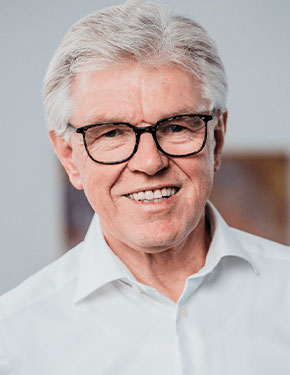
Gerhard Siebenhüner, M.D. is one of the few physicians in Germany who consistently combines modern conventional medicine with insights from biology, physics, immunology, metabolic medicine, environmental medicine, and preventive medicine to develop systemic treatment approaches.
For more than 40 years, he has headed the Center for Advanced Medicine in Frankfurt am Main. His areas of expertise include chronic diseases, integrative oncology, preventive medicine, therapeutic apheresis, and extracorporeal hyperthermia perfusion (EHP), a method he developed himself. Patients from all over Germany and many countries around the world seek treatment at his practice when complex conditions require an interdisciplinary, personalized, and cause-oriented medical approach.
The foundation of his successful work is, first and foremost, in-depth consultations with patients (and their families) as well as precise diagnostics to analyze and understand the causes and progression of the respective condition(s) up to the present time. Building on this foundation, Dr. Siebenhüner and his interdisciplinary team develop individualized and customized treatment plans, some of which are unique worldwide in this form.
Contact:
Center for Advanced Medicine
Vilbeler Landstraße 45 B
60388 Frankfurt am Main
Phone: +49-(0)69-63 20 00
Email: info@erweiterte-medizin.de
Website: https://www.erweiterte-medizin.de/en/
More about Extracorporeal Hyperthermia Perfusion (EHP):