Why a modern microbiome test, individual probiotics and a healthy gut barrier are inseparable today
The diversity of the human microbiome has been declining significantly in Western societies for years. At the same time, intestinal diseases such as irritable bowel syndrome, indications of a disturbed intestinal barrier (“leaky gut”) or chronic inflammatory diseases such as Crohn’s disease are on the rise – as are neurological and mental illnesses. However, there is still a lack of broad knowledge about the central role of the intestinal mucosa as the basis of a stable microbiome and about the effects of modern environmental pollution, such as heavy metals. Even scientifically sound microbiome tests, which can now be carried out easily and conveniently at home, are still hardly known to many people. ZEOLITH WISSEN therefore spoke to Dr. Paul Hammer, bioinformatician, systems biologist and CEO of BIOMES, about modern microbiome diagnostics, the importance of the intestinal barrier and why targeted intestinal cleansing, for example with the active ingredient PMA zeolite, can be a sensible prerequisite in certain cases.
Why is our microbiome increasingly out of balance?
The human microbiome has long since entered the mainstream. Hardly any other health topic is currently so frequently discussed – and at the same time so often misunderstood. Probiotics are taken by the millions, often indiscriminately and driven by intensive advertising. Terms such as intestinal health, intestinal rehabilitation or intestinal axes are omnipresent.
At the same time, diseases that are closely related to the gut are on the rise: functional complaints such as irritable bowel syndrome, chronic inflammation, a disrupted intestinal barrier (“leaky gut”), Crohn’s disease – but also depression, anxiety disorders, cardiovascular diseases, diabetes or neurodegenerative diseases such as Alzheimer’s or Parkinson’s disease. Cardinal questions are therefore: Why is our microbiome increasingly out of balance? And what is missing from all this information about the microbiome?
Environmental pollution, modern nutrition, medication, heavy metals: constant stress for the microbiome
A significant part of the answer lies in our modern environment. Highly processed, nutrient-poor foods, pesticides, heavy metals, particulate matter, drug residues and so-called perpetual chemicals (PFAS) have a daily impact on our entire organism, but especially on the gut. These stresses not only affect individual bacterial strains, but the entire ecosystem – and they also affect the intestinal barrier, which is (still) talked about far too little in all the information on the microbiome. However, this is precisely the soil on which microbial diversity can thrive in the first place.
This is because the microbiome is not a loose collection of “good” bacteria. It is a highly complex, sensitive system that depends on stability. If the intestinal mucosa (part of the multi-layered intestinal barrier) is inflamed, permeable or chronically overloaded, even beneficial microorganisms lose their grip. In such situations, probiotics cannot develop their effect – they pass through the intestine without being permanently integrated.
Against this background, the term intestinal rehabilitation is increasingly becoming the focus of scientific discussions. This does not mean a superficial “lifestyle detox”, but the targeted relief of the intestine including stabilization of the intestinal barrier – especially for people with corresponding complaints or suspected irritable bowel syndrome, leaky gut or chronic inflammatory bowel disease. In this context, the clinically tested active ingredient PMA zeolite, which can bind harmful substances in the gastrointestinal tract and thus help to relieve the intestinal barrier, is increasingly being used in practice. Not as a panacea, but as a possible building block in an individual, evidence-based concept.
However, even under optimal conditions, one central question remains: what does your own microbiome actually look like? What is missing, what is overrepresented, where are there functional gaps? Without concrete data, every recommendation remains a guessing game.
From guessing game to precision: why individual microbiome tests are crucial today
This is where the real revolution in modern microbiome research begins. Thanks to high-resolution sequencing, bioinformatics and artificial intelligence, it is now possible to analyze the individual microbiome in a differentiated way – suitable for everyday use, from home and scientifically sound. One of the pioneers in this field is bioinformatician and systems biologist Dr. Paul Hammer, co-founder and CEO of BIOMES.
ZEOLITH WISSEN spoke to him about what modern microbiome tests can do today, where their limits lie and why they can help to classify suspicious facts without replacing medical diagnoses.
Dr. Paul Hammer – scientist and microbiome test developer in an interview with ZEOLITH WISSEN
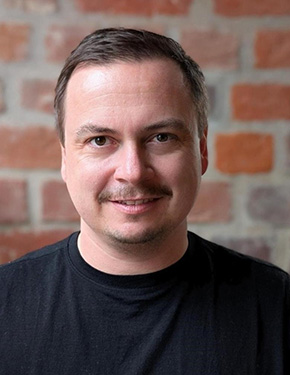
Dr. Paul Hammer is a bioinformatician and systems biologist as well as co-founder and CEO of BIOMES. For many years, he has been researching how the human microbiome can be functionally understood using modern sequencing methods. With BIOMES, he is making this knowledge usable for individual health decisions for the first time.
ZEOLITH WISSEN (ZW): “Dr. Hammer, everyone is talking about the microbiome these days. What do you think is most often misunderstood?”
Dr. Paul Hammer (PH): “What is often underestimated is its complexity. Many people believe that the microbiome can be “repaired” with individual measures. In reality, we are talking about a highly dynamic, unique ecosystem that reacts simultaneously to the environment, diet, medication, stress and the resulting overall condition of the gut, and which also changes again and again over the course of a person’s life. Without clear data, much remains speculation.”
ZW: “You have developed sequencing procedures and analysis methods yourself. Why was the step into practical application so important to you?”
PH: “Because I am convinced that this knowledge should not end in the laboratory. We can now determine with great precision which microorganisms are present, what functions they perform and where imbalances exist. This opens up enormous opportunities, especially in terms of prevention. We can see that our population is suffering more and more frequently from diseases that are linked to the gut, to the microbiome. I am particularly alarmed by the rise in intestinal diseases, but also by the cases of cancer, which are increasingly affecting young people in particular. BIOMES was born out of precisely this idea.”
ZW: “Many people are surprised that such a test is now possible from home.”
PH: “I often hear that. A lot has happened in recent years, partly thanks to our intensive research work. It’s actually quite easy for people to take samples now. The actual work happens in the background. The sequencing, the bioinformatic analysis, the quality controls: It’s all highly complex and therefore takes several days. But it is precisely this depth and therefore our highly complex techniques that are needed to make truly reliable statements for each individual person.”
ZW: “In your opinion, what is the biggest advantage of an individual microbiome analysis?”
PH: “The analysis replaces assumptions with knowledge, it shows how my personal microbiome and gut health really are. Only when I know what my microbiome looks like can I plan my diet, lifestyle or the use of probiotics sensibly. I can also identify the extent to which my microbiome is contaminated and then thoroughly cleanse my gut so that I can carefully stabilize my microbiome. Everything else is and remains a guessing game and a ‘shot in the dark’, because you lose a lot of valuable time that could be used before chronic and serious illnesses manifest themselves.”
When diversity is lacking: why an impoverished microbiome throws the body and mind out of balance
ZW: “When we talk about individualization, what dimensions are we actually talking about? How complex is a microbiome really?”
PH: “In every test today, we analyze around a thousand different microbial components – i.e. bacteria and their functional groups based on their genetic properties. However, the decisive factor is not just the absolute number, but the diversity and distribution. What we very often see is that many people only have a fraction of this diversity.”
We are seeing a massive reduction in microbial diversity in Western societies today – yet it is precisely this diversity that is the key marker for stability and health.
Dr. Paul Hammer
ZW: “What does that mean in concrete terms?”
PH: “We see a high level of diversity in healthy, stable microbiomes. In practice, however, we encounter many profiles in which only around 400 to 600 different bacterial taxa are present. This means that a significant proportion of what actually makes up this ecosystem has simply been lost due to our current living conditions. Certain bacterial strains are practically extinct – and that has consequences.”
ZW: “In what way?”
PH: “A microbiome thrives on redundancy and diversity. If certain functions are only performed by very few microorganisms, the system becomes unstable. It reacts more sensitively and then forms the basis for many diseases. This is precisely where our analyses come in: We want to make visible where these gaps are and what they mean so that people can take countermeasures as early as possible.”
ZW: “Are there certain indications or complaints that people come to you with particularly often?”
PH: “Yes, and that’s surprising for many people. The most common indication is of course classic gastrointestinal complaints. However, the second most common indication is, shockingly, anxiety disorders. We can see from the current prevalence figures how these, and also depression, are on the rise. Around a quarter of the German population is affected and we also see this very clearly in our data.”
ZW: “That leads us directly to the gut-brain axis…”
PH: “Exactly. The gut microbiome is closely linked to the nervous system. Many neurotransmitters or their precursors – including serotonin – are produced or regulated in interaction with gut bacteria. If the microbiome gets out of balance, this can have a significant impact on mood, stress management and emotional stability, including depression or anxiety disorders.”
The missing key: no stable microbiome without a healthy gut barrier
ZW: “You emphasized earlier that probiotics alone are often not enough to get the microbiome back on track. How important is the intestinal barrier in this context?”
PH: “Yes, the intestinal barrier is fundamental, in the truest sense of the word. The microbiome can only function stably if the intestinal mucosa as part of the intestinal barrier is intact. If this barrier is damaged – for example by inflammation, environmental pollution or medication – microorganisms cannot colonize permanently. Then we often see images that could be described in simple terms as ‘perforated soil’.”
ZW: “And this is not an isolated case today, as figures and statistics unfortunately clearly show.”
PH: “Yes, unfortunately that’s true. The high prevalence of diseases such as irritable bowel syndrome, leaky gut or chronic inflammatory bowel diseases such as Crohn’s disease shows very clearly that the intestinal barrier is also impaired in many people along with the microbiome. In such cases, this barrier should first be stabilized, then the microbiome can be specifically built up or modulated.”
ZW: “Supportive measures such as intestinal rehabilitation are also being discussed here.”
PH: “Exactly. The aim is to relieve the gut and restore it to a state in which microbial diversity is even possible. There are now well-researched approaches that can support this, for example by binding harmful substances in the gut with the active mineral ingredient PMA zeolite. Such measures are simple and efficient to prepare the ground on which an individual microbiome can function again.”
ZW: “Let’s come back to intestinal diseases, which are known to affect millions of people and there are certainly many more who don’t even know about them. Can your microbiome test provide indications of diseases such as irritable bowel syndrome, a disturbed intestinal barrier (“leaky gut”) or even chronic inflammatory bowel diseases such as Crohn’s disease? What can your microbiome analysis actually do here?”
PH: “Yes, our INTEST.pro microbiome analysis can provide well-founded indications of functional disorders, inflammatory processes and a possible impairment of the intestinal barrier – as is typically the case with irritable bowel syndrome, leaky gut or even chronic inflammatory bowel diseases such as Crohn’s disease. We do not look at individual markers in isolation, but at the entire microbial ecosystem. Among other things, inflammation-associated bacteria, barrier-relevant key bacteria such as Akkermansia or Faecalibacterium as well as central metabolic functions – such as SCFA production like butyrate and its significance for immune interactions – are included in the evaluation. In this way, typical dysbiosis and inflammation patterns can be recognized and classified very well. In addition, we recommend – especially in cases of clinical suspicion – classic stool diagnostics, such as the determination of zonulin to assess the intestinal barrier. In combination, this provides a very holistic picture of intestinal health. It is important to note that our analysis does not provide a medical diagnosis, but it does provide valuable, data-based information that can be used to initiate targeted further clarifications and personalized therapeutic approaches.”
How does a modern microbiome test actually work? – A look behind the scenes at BIOMES
ZW: “Dr. Hammer, many readers still have little concrete idea of what a ”microbiome test at home” is. How does this process actually work?”
PH: “The first step is very simple: you order the INTEST.pro test in our store on the BIOMES website. We then send the test kit to the client. The sample is taken at home, easily and without any previous medical knowledge – it takes less than two minutes. This is important because we want to reach as many people as possible, regardless of whether they are currently ill or are taking preventative measures to improve their health. The client then simply sends their sample back to us by post with the outer packaging provided and an enclosed post label. Then all they have to do is wait and see. Because then our work begins and it is anything but trivial: as soon as the sample arrives at our laboratory, a highly complex process begins. We extract the microbial DNA, sequence it and analyze the genetic information using specially developed bioinformatics methods. It’s not just about which microorganisms are present, but also about what they potentially do.”
ZW: “Many people wonder why they then have to wait two to three weeks for their results?”
PH: “It’s precisely because of this complexity. We’re not talking about rapid tests with a few superficial markers. Sequencing requires enormous amounts of data that need to be carefully processed, filtered and classified. Quality assurance plays a central role here; we check the data several times before it is included in the analysis. This is the only way to make reliable statements.”
The invisible basis: why so much data is needed for the microbiome test
ZW: “A central element of your work is your BIOMES database. What is it and why is it so important?”
PH: “Without comparative data, any analysis would be isolated and therefore not very meaningful. The real strength of our method lies in the combination of sequencing and a very large, continuously growing reference database. This has been built up over many years – through research, validated tests and collaboration with scientific partners. Over 60,000 people have now taken their microbiome test at BIOMES. Each individual data set, anonymized and GDPR-compliant of course, helps to identify patterns, better understand correlations and correctly classify individual results.”
ZW: “That sounds like an enormous amount of data.”
PH: “It is. But this is exactly where the key lies. A single microbiome says little if you don’t embed it in a larger context. Only by comparing it with thousands of other individual profiles can we recognize whether certain constellations are unusual, which bacteria frequently occur together or how certain patterns overlap with diet, lifestyle or health issues.”
From findings to action: why BIOMES doesn’t stop at the test result
ZW: “Many tests only provide a few figures and graphs at the end. What do you do differently with BIOMES?”
PH: “That was a key point for us right from the start. Data alone doesn’t help anyone. That’s why BIOMES has an interdisciplinary team of experts made up of scientists, nutritionists and microbiome specialists who translate the results into concrete definitions and recommendations that are suitable for everyday use. Our customers not only receive an evaluation, but also suggestions on how they can specifically support, regenerate or optimize their microbiome, depending on their individual profile. This concerns diet, lifestyle and, if appropriate, the use of probiotics.”
ZW: “And this is where you clearly stand out from the market?”
PH: “Absolutely. We don’t believe in ‘off-the-shelf’ probiotics. If probiotics are used, then they are individualized and tailored to the respective microbiome. Anything else would not meet the demand for precision. Our aim is to make measures as tailored as possible instead of making general recommendations that simply don’t work for many people.”
ZW: “Finally, a very practical question: how much does a microbiome test like this actually cost?”
PH: “The individual test for an adult costs 159 euros. For couples or other family members, we also offer a double pack for 259 euros. We also have special tests for children and, incidentally, for dogs, as the microbiome naturally plays a key role in more than just humans.”
ZW: “If you offset that against what many people spend on two or three generally advertised probiotic products alone, without knowing whether these bacterial strains even fit or can colonize their intestines, then it’s quite moderate.”
PH: “I agree, especially as we have a lot of expensive laboratory technology behind us. But we try to be as affordable as possible so that people can afford it. Above all, you should also bear in mind that a microbiome test is not an expense that is constantly repeated. It is usually sufficient to take a look at your microbiome every few months, we recommend three times a year. The system does change, but not from week to week. Once you know how your own microbiome is structured and what it actually needs, you can take very targeted action – and save a lot of money in the long term that would otherwise be spent on blindly trying out different products.”
ZW: “Dr. Hammer, thank you very much for these insights, for your educational work and for this very informative interview.”
Dr. Paul Hammer – pioneer of modern microbiome diagnostics
Dr. Paul Hammer – Bioinformatician and Systems Biologist – CEO BIOMES
Dr. Paul Hammer is a bioinformatician, systems biologist and founder and CEO of BIOMES and is one of the leading experts in microbiome analysis. After completing his doctorate in bioinformatics and systems biology at the University of Potsdam, he conducted research at the Max Planck Institute for Molecular Genetics in Berlin, among others.
For many years, he has been working on the question of how complex biological systems – in particular the human microbiome – can be precisely recorded and functionally understood using modern sequencing technologies and data-driven methods.
With the founding of BIOMES, Dr. Hammer has significantly advanced the transfer of technology from cutting-edge research to practical health applications. His work combines high-throughput DNA sequencing (next generation sequencing), bioinformatics and artificial intelligence with the aim of making individual microbiome profiles scientifically usable.
Dr. Hammer is the author of numerous scientific publications, a sought-after speaker at international specialist congresses and author of the book “The Gut Compass”. His approach stands for precision, scientific depth and a new generation of personalized health diagnostics.
BIOMES & INTEST.pro – modern microbiome diagnostics for at home with a 15% discount for ZEOLITH WISSEN readers
BIOMES is an innovative biotechnology company that makes cutting-edge research into gut health accessible to people. With the intestinal flora test INTEST.pro, BIOMES offers a scientifically sound self-test for home use that precisely analyzes the composition of the individual microbiome. Over 60,000 people have already had their microbiome tested by BIOMES.
In contrast to conventional stool tests, INTEST.pro does not count the intestinal bacteria, but determines them based on their DNA. Using modern next-generation sequencing technology (NGS), the microbial DNA from the sample is digitized and analyzed with the help of a computer. The subsequent interpretation is carried out via the BIOMES knowledge database, which is based on thousands of international clinical and scientific microbiome studies and is constantly updated.
The subsequent interpretation is carried out via the BIOMES knowledge database, which is based on thousands of international clinical and scientific microbiome studies and is continuously updated, as well as via an AI model that has been trained with more than 60,000 of our own microbiome data sets.
The results of the analysis are presented in a protected online dashboard and provide detailed insights into gut health, bacterial diversity and functional aspects such as inflammatory tendencies or individual food utilization – supplemented by scientifically based, personalized nutritional recommendations.
Readers of ZEOLITH WISSEN receive a 15% discount on their BIOMES test when ordering via the link below using an exclusive voucher code.
Does zeolite release aluminum into the body and deplete it of important minerals? Biochemist and human physiologist Prof. Peter Dartsch explains what the research...
Why the intestinal barrier and intestinal microenvironment are increasingly viewed in conjunction with irritable bowel syndrome - and what clinical data is now available...
You are currently viewing a placeholder content from Turnstile. To access the actual content, click the button below. Please note that doing so will share data with third-party providers.
You are currently viewing a placeholder content from Facebook. To access the actual content, click the button below. Please note that doing so will share data with third-party providers.
You are currently viewing a placeholder content from Instagram. To access the actual content, click the button below. Please note that doing so will share data with third-party providers.
You are currently viewing a placeholder content from X. To access the actual content, click the button below. Please note that doing so will share data with third-party providers.