How the combination of zeolite, pre- and probiotics together with the right diet can eliminate the consequences of antibiosis
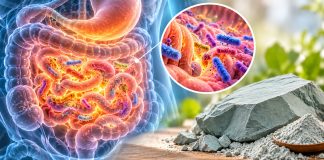
With the arrival of fall, the flu season begins, during which colds, respiratory infections and flu-like infections increase. This often leads to an increased use of antibiotics, which are effective for certain bacterial diseases but put a heavy strain on the body, especially intestinal health. It can take up to six months or longer for the unbalanced organism to recover from antibiotic therapy. Intestinal cleansing with the volcanic rock zeolite can then be very useful to restore the intestinal environment and the functions of the intestinal barrier and thus create the basis for rebuilding the microbiome.
No protection against viruses! The use of antibiotics and the big misunderstanding
Many people equate antibiotics with a kind of panacea for all kinds of infections. There is still a common misconception that they are effective for all types of infections. But this is not true: antibiotics are, as the name suggests (from the Greek ἀντί- anti- “against” and βίος bios “life”), only effective against bacterial infections.
Viruses, on the other hand, which make up the majority of autumnal infections, are immune to these active substances. Despite this, antibiotics are still prescribed far too often for viral diseases, whether out of uncertainty to prevent secondary bacterial infections or simply at the insistence of (misinformed) patients.
Incidentally, this is not only ineffective, but also harbors serious risks, such as the emergence of antibiotic resistance, which is now spreading like a silent pandemic. This is because their inappropriate use has long since led to pathogenic bacteria learning to protect themselves against the active ingredients in the drugs, making them virtually invincible. As a result, many antibiotics are no longer effective, as the Robert Koch Institute (RKI) warns, which is already leading or will lead to massive problems with multi-resistant germs, especially in the near future.
Antibiotics: They save lives, but have fundamental side and after-effects
 But what are antibiotics anyway? Antibiotics are a broad group of drugs that specifically block certain processes in pathogenic bacteria, such as cell wall synthesis, protein production or DNA replication, in order to kill them or inhibit their growth.
Antibiotics have revolutionized medicine since the discovery of penicillin (these were the first types of antibiotics) by making previously deadly bacterial infections such as pneumonia or sepsis treatable. They have saved millions of lives to date. However, they also have their downsides: Antibiotics not only attack harmful bacteria, they also have fundamental side effects that can vary in severity. Always and without exception, they also destroy beneficial microorganisms in our gut.
Our natural intestinal flora, a complex network of billions of bacteria, is thrown out of balance by antibiotics and this leads to a long series of side effects: Diarrhea, hypersensitivity reactions of the skin, infections with other bacterial strains, skin and vaginal fungus, inflammation of the oral mucosa, a generally weakened immune system, allergies and long-term digestive disorders are the order of the day. Even type 2 diabetes, depression, psychosis and obesity are now scientifically linked to previous antibiotic use.
Antibiotics not only destroy the microbiome, but also the intestinal mucosa
In addition to impairing the microbiome, i.e. the intestinal flora, scientific data also shows that antibiotics can damage the sensitive intestinal mucosa or the intestinal barrier.
This protective layer of the intestine, which prevents harmful substances and germs from entering the bloodstream, becomes more vulnerable when antibiotics are administered, as they can disrupt the balance of microorganisms and promote inflammatory bowel disease, a recent study shows1 . A weakened intestinal barrier can lead to a condition known as “leaky gut”. If the intestinal wall becomes leaky, incompletely degraded food components and various toxins enter the bloodstream, which can trigger systemic inflammation and stress the immune system.
Zeolite: The natural general cleanser for a healthy gut
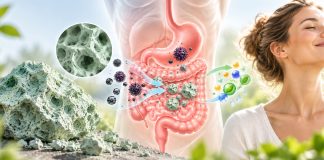
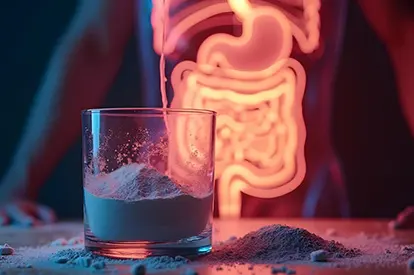 After antibiotic treatment, it is therefore essential to support the gut in its regeneration, as the balance of the microbiome and the stability of the intestinal wall have been severely disrupted by the medication. This is where zeolite comes into play as a general cleanser: the volcanic mineral is known for its extraordinary ability to bind pollutants, toxins and drug residues like a sponge and gently eliminate them from the body.
But zeolite can do even more: its mineral structure provides a protective effect for the sensitive intestinal wall, which has been weakened by antibiotics. Zeolite helps to strengthen the intestinal barrier and reduce inflammation. In this way, the ground rock creates the basis for the regeneration of the intestine and provides a natural way to support healing from within.
The regular intake of zeolite during or after antibiotics can rebalance the intestines and at the same time strengthen the immune system, which is often affected by the stress of antibiotic therapy.
Special form of PMA zeolite: The scientifically based form of zeolite
However, these mechanisms of action have so far only been scientifically proven for a special form of zeolite: the so-called PMA zeolite (PMA stands for PANACEO micro-activation) from the research company PANACEO is an approved medical product and has shown in scientific studies2,3 have shown impressive results.
Thanks to its special activation, it is able to bind harmful substances even more efficiently and strengthen the intestinal barrier in a targeted manner. The anti-inflammatory properties are a decisive factor that can make all the difference after antibiotic therapy. The intestinal wall, which acts like a protective wall to protect the body from penetrating pollutants, is stabilized and can thus regenerate itself. The use of PMA zeolite is therefore not just a supportive measure, but an essential building block for restoring balance to the intestines and therefore overall health.
Prebiotics and probiotics: Repopulation for the decimated microbiome
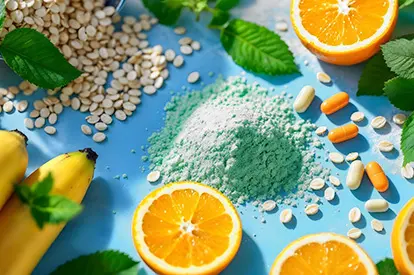 In addition to zeolite, prebiotics and probiotics also play a crucial role in the regeneration of the microbiome. Probiotics, i.e. living microorganisms, are the heroes of the intestinal flora that help to restore the lost balance. They not only bring beneficial bacteria back into the gut, but also strengthen the body’s defenses as a whole.
Prebiotics, which in turn serve as food for these valuable microorganisms, promote their growth and activity. Together they form an unbeatable team that rebuilds the gut from the inside out. These helpers are also indispensable after antibiotic treatment. They ensure that the gut not only functions, but can also resume its central role in health.
Protect, taste, revitalize: Foods that support the gut
A gut-friendly diet is the icing on the cake that perfectly complements intestinal cleansing with zeolite, prebiotics and probiotics. Probiotic foods such as yogurt, kefir, sauerkraut and kimchi are true miracle workers that provide live bacterial cultures and strengthen the intestinal flora. Fiber from whole grain products, legumes and fresh vegetables serve as perfect food for the beneficial bacteria and promote their growth. Fermented foods such as miso, a traditional Japanese paste made from fermented soybeans, and tempeh, an Indonesian product made from fermented soybeans, are also real treasures for intestinal health.
They not only bring exotic flavours to the kitchen, but also help to revitalize the microbiome. A balanced diet that integrates these foods supports the gut in its regeneration and at the same time provides a solid foundation for a strong immune system.
With the combination of zeolite, which creates the basis for healing, pre- and probiotics, which rebuild the microbiome, and a conscious diet, the gut is not only regenerated after antibiotic therapy, but can emerge from the treatment much stronger and more resilient.
Sources:
1 https://scienceblog.at/antibiotika-mucus-sekretion-ced
2 https://ichgcp.net/de/clinical-trials-registry/NCT04370535
3 https://repositorium.meduniwien.ac.at/obvumwoa/content/titleinfo/9891586