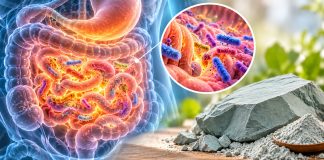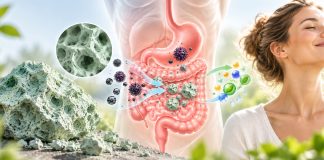
An overview of facts about the microbiome, exciting hypotheses, new approaches and how we can support our gut health.
The microbiome and gut are one of the number one topics in medical research today. New scientific discoveries on the subject of the microbiome and the relevance of the gut are constantly showing that, from a physiological point of view, we humans are not singular creatures, but that we are also the host for various, huge microfloral ecosystems, without which we could not exist.
Trillions of diverse microorganisms live and act within us and even on us, namely on our skin, which are inextricably linked to our bodies and with which we coexist symbiotically – from the first to the last breath of our lives. Our microbial co-inhabitants, collectively known as the microbiome, shape – among other things! – our metabolism, our immune system and even our thoughts.
Microbiome and gut: Heidelberg study provides an overview and reveals new connections
In a new review study (a systematic review), scientists at Heidelberg University have now provided fascinating and comprehensive insights into the microbiome. They have brought together current interdisciplinary findings from fields such as anatomy, immunology, genetics and evolution. Their review shows how microbes influence our well-being and highlights exciting new research concepts that could revolutionize the understanding of the microbiome for our health and in terms of prevention. The study was published in the renowned journal NATURE.
The “true heart” of our health: Why the microbiome is so crucial
First of all, imagine this: Every human body is home to an individual ecosystem that can weigh up to two kilograms – that’s roughly how much the microbiome weighs put together. It comprises around 38 trillion individual organisms, which is even more than the 30 trillion human cells that make us up. And while the human genome with its 20,000 genes already seems impressive, the microbiome with over two million genes is a true genetic multicultural powerhouse and expands our biological capabilities far beyond our own DNA.
More than just numbers: The microbiome as the conductor of our survival
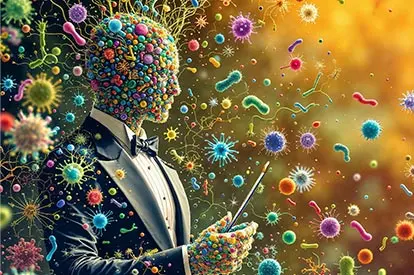 However, the importance of the microbiome goes far beyond the impressive numbers: this symbiotic network, also known as the microbial community, actually plays a key role in almost all areas of our health.
The microbiome produces vital vitamins, supports digestion and nutrient absorption and ensures that the intestinal mucosa remains strong and intact so that the intestinal wall can act as a protective barrier against harmful intruders.
This intestinal barrier is essential to ward off inflammation and infections. This is where zeolite comes into play as a valuable helper, as this natural volcanic mineral supports the cleansing and stability of the intestine and thus ensures optimal conditions so that the microbiome can fulfill its vital tasks – but more on that later.
The microbiome also trains our immune system, promotes the balance between inflammatory reactions and defense and produces signaling substances that influence our mental health.
It is now even assumed that the microbiome or a non-functioning microbiome is partly responsible for the development of neurodegenerative diseases such as Alzheimer’s or Parkinson’s via the so-called gut-brain axis.
Review by Heidelberg University shows: The microbiome is the body’s immune police
In their review, the researchers from Heidelberg University now report that the microbiome is not just a casual companion, but an integral part of our health. The microbiome is not just a supporter of the immune system, but acts like an invisible protective force that is constantly on patrol. The microbial soldiers prevent the colonization of harmful pathogens through a mechanism known as “colonization resistance”.
By competing for nutrients and space, they create a natural barrier against intruders. Studies have shown that certain bacterial strains are able to specifically combat pathogenic germs and inhibit their growth. One example is the bacterium Staphylococcus epidermidis, which lives on the skin and can in turn displace the dangerous Staphylococcus aureus by secreting special enzymes.
These protective mechanisms are further proof that our microbiome is an indispensable part of our immune defense. It acts like a well-organized security service that detects and fends off dangers before they can cause damage. Without this microbial defense, our immune system would be overwhelmed and our body would be more susceptible to infections and chronic inflammation.
Genetic diversity in the microbiome: the invisible treasure of our organism
 One fascinating aspect of the microbiome is its genetic superiority compared to our own genome. While the human genome, as already mentioned, comprises around 20,000 genes, the microbiome contributes more than two million genes – a diversity that gives us biological abilities that we would not even begin to possess on our own.
This genetic diversity enables microbes to control and adapt a variety of metabolic processes that are crucial for our health.
The microbial genes – also known scientifically as the “second genome” – are able to synthesize vitamins, digest complex carbohydrates and produce important metabolic products such as short-chain fatty acids, which have anti-inflammatory properties and strengthen our intestinal mucosa.
Current research is investigating how this genetic diversity can be used to develop targeted therapies that support health and prevent disease.
The new idea of the “adaptive genome”, i.e. seeing the microbiome as an extension of our genetic blueprint, shows how deeply these tiny organisms are involved in our biochemical processes. Scientists are currently exploring how this genetic interaction can be used to promote personalized medical approaches based on each person’s unique microbiome composition.
Current fields of research: The microbiome as the key to the future of medicine
While many functions of the microbiome have already been proven, recent scientific discoveries are opening new doors that are still being explored. One promising area is the study of how the microbiome intervenes in the regulation of gene expression. Epigenetic mechanisms play a role here (these are processes that regulate gene activity without altering the underlying DNA sequence), where the microbiome influences the activity of our genes without altering their actual sequence. For example, microbes control DNA methylation (a regulatory process that controls the activity of genes) and histone modification – processes (this serves to regulate genes) that are crucial for cell function and the immune system.
Focus on neurodegenerative diseases: the importance of the microbiome for the brain
 Another focus is on the role of the microbiome in neuronal health. Current hypotheses suggest that the microbes in the gut have a direct influence on our brain through the production of neurotransmitters such as serotonin, dopamine and GABA and the formation of signaling substances. This phenomenon is summarized under the concept of the “gut-brain axis” and is an exciting area that is being researched to understand how the microbiome influences our mood and cognitive functions.
New research suggests that a disruption in this complex axis can lead to an increased risk of neurodegenerative diseases such as Alzheimer’s, various forms of dementia and even Parkinson’s disease. These diseases, whose prevalence is steadily increasing, appear to be closely linked to the health and diversity of the microbiome. A disturbed microbiome could favor inflammatory processes and neuronal dysfunction, which promotes the development and progression of these serious diseases.
Current studies continue to explore how changes in the microbiome could contribute to neurological and psychiatric disorders, including anxiety, depression and even autism. The question of how the microbiome could be used to treat or prevent such disorders is a key topic in modern research. Approaches that specifically modulate the microbiome could open up new therapeutic avenues in the future that go far beyond conventional treatments. The justified hope lies in developing preventive and supportive measures against such diseases through targeted, individualized therapies and the maintenance of a healthy microbiome.
From immune balance to disease defense: the multifaceted roles of the microbiome
Another proven area is the role of the microbiome in maintaining immune balance. It acts as a regulator of the immune system by mediating between inflammatory responses and defense mechanisms. This ability not only protects the body from acute infections, but also prevents chronic inflammatory conditions that can lead to serious illness. It has been scientifically proven that a healthy, diverse microbial community in the gut promotes the production of anti-inflammatory molecules such as short-chain fatty acids, which directly contribute to the stability of the intestinal barrier.
Current research is also investigating how disrupted gut flora – known as dysbiosis – can cause chronic inflammation in the body, which is linked to autoimmune diseases such as rheumatoid arthritis, inflammatory bowel disease and even type 1 diabetes. Researchers are working to develop therapies that target the balance of microbes to regulate the excessive immune response and thus prevent chronic diseases.
Microbiome and metabolism: the hidden engine of our vitality
The microbiome also plays a central role in the body’s metabolic processes. To date, it has been scientifically proven that microbes help to digest complex carbohydrates that the human body could not utilize on its own. They produce short-chain fatty acids such as butyrate, which not only serves as an energy source for the intestinal cells, but also has anti-inflammatory properties. These substances promote intestinal health and have a positive effect on the entire metabolism.
Current studies continue to investigate how changes in the microbiome can influence the development of metabolic disorders such as obesity, type 2 diabetes and metabolic syndrome. Initial findings show that a less diverse microbial community increases the risk of these diseases. Researchers are now looking for ways to specifically alter the composition of the microbiome in order to stabilize metabolism and prevent the development of diseases. This could be the key to a new era in the prevention and treatment of metabolic disorders.
The influence of the microbiome on gene expression: an epigenetic masterpiece
The ability of the microbiome to influence gene activity is a fascinating area of research. Epigenetic mechanisms (processes that regulate gene activity without altering the DNA sequence) play a key role here. Microbes in the gut influence these mechanisms by producing metabolites that control, for example, DNA methylation and histone modifications – both processes that determine which genes are activated or silenced. This epigenetic modulation can change the way cells respond to environmental factors and thus contributes to our body’s ability to adapt.
Current research is investigating how these epigenetic changes can influence health. A healthy microbiome can promote positive epigenetic modifications that protect the body from chronic disease, while an imbalance in the microbiome can induce epigenetic patterns associated with inflammation, metabolic disease and even cancer. Scientists are exploring how targeted interventions in microbiome composition could be used as a potential approach to influence gene expression to achieve health benefits.
The microbiome as guardian of the intestinal barrier: protective shield against pathogens
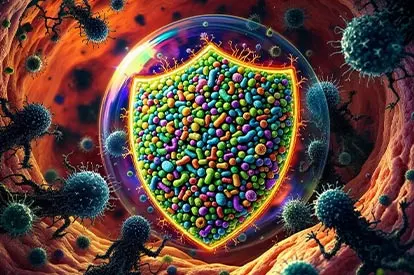 What we now know for certain is that a well-functioning microbiome is crucial for the integrity of the intestinal barrier, which acts like a protective shield against pathogens and harmful substances. This barrier consists of a thin layer of cells that allows nutrients to pass through while repelling harmful substances. Studies have shown that microbes in the intestine produce special substances that strengthen the mucus layer and stabilize the tight junctions between the intestinal cells. This prevents harmful particles from entering the bloodstream and triggering systemic inflammation.
A disturbed microbiome can weaken the intestinal barrier and lead to a condition known as “leaky gut syndrome”. This allows heavy metals such as lead, cadmium, arsenic, etc. as well as the light metal aluminum, toxins and microbes to enter the body and trigger a chronic inflammatory response that is associated with diseases such as autoimmune disorders, allergies and even mental disorders.
In the event of illness, it is important to restore microbial diversity and thus strengthen the intestinal barrier. Preventive measures also come into play here, such as the use of pre- and probiotics as well as natural substances such as zeolite, which can help to bind harmful substances and remove them from the body. Zeolite in particular is a fundamental helper for an intact intestinal wall, as the microbes of the microbiome cannot colonize without a healthy intestinal barrier.
Future prospects: Microbiome-based therapies and personalized medicine
The findings from microbiome research as a whole offer exciting prospects for the future of medicine. While many basic functions of the microbiome are now well researched, ongoing studies are opening up new avenues for precise treatment approaches tailored to the individual.
The idea of personalized medicine, in which the individual composition of the microbiome is taken into account, could play a central role in the prevention and treatment of diseases in the future.
Researchers around the world are working on how to manipulate the microbiome in order to promote health. The focus here is on measures that bring a disturbed microbiome back into balance, such as specialized probiotics, prebiotic foods and even faecal transplants, which are now proving effective for Parkinson’s disease, for example. In the long term, microbiome-based approaches could help to treat chronic diseases such as diabetes, autoimmune diseases and other neurodegenerative disorders or even prevent them from occurring.
New era in medicine: prevention and healing thanks to microbial balance
It is also conceivable that future therapies will use epigenetic changes controlled by the microbiome to specifically activate or inhibit genes. Advances in this area could herald a new era of medicine in which prevention and cure are deeply embedded in the microbial balance.
The microbiome as a vision for the future of medicine: therapy and prevention in transition
All these findings about the role of the microbiome in our health have initiated a paradigm shift in medicine. While in the past attempts were often made to treat diseases purely symptomatically, the understanding of the microbiome as part of our “second genome” is now becoming the focus of preventive and therapeutic approaches. Researchers around the world are investigating how targeted interventions in the microbiota – be it through diet, probiotics, prebiotics, the volcanic rock zeolite or personalized therapies – can help the body to heal itself and become more resistant to disease.
A pioneering area of research is the development of microbiome-based therapies in which healthy microbiota is transplanted or microbially derived substances are used to restore balance in the body. Such approaches could not only treat inflammatory bowel diseases, but could also play an important role in metabolic diseases, autoimmune diseases and neurodegenerative diseases.
The idea that the cure for many modern diseases already lies within us – in the microbiome – is changing our understanding of medicine and opening the door to an era where prevention and holistic treatment go hand in hand. This new perspective shows that health cannot be viewed in isolation, but that we need to nurture our inner ecosystem to achieve the full potential of our wellbeing.
Supporting the microbiome: Zeolite and other ways to improve gut health
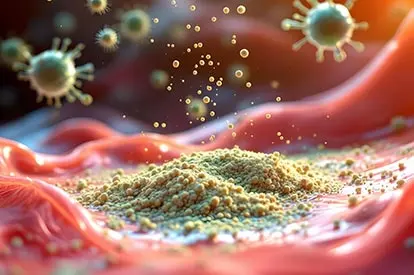 The microbiome is therefore not just an abstract scientific concept, but an intrinsic part of our daily life and well-being that we can actively influence ourselves: The microbiome in the gut in particular deserves special attention, as it has a significant influence on our health. Today, we already have the opportunity to gain an individual insight into our own microbiota through special tests and then take targeted measures to care for and promote it.
In conclusion, here is a brief summary of what you can do yourself: A healthy diet forms the basis for a strong microbiome. This includes fiber-rich foods such as whole grains, vegetables and legumes, which serve as “food” for the beneficial intestinal bacteria. Fermented foods such as yogurt, sauerkraut and kimchi provide natural probiotics that help to promote the balance of microbes in the gut. Prebiotic foods such as garlic, onions and bananas further support the proliferation of these helpful bacteria.
A still too often overlooked but effective approach is regular intestinal cleansing with zeolite. The natural volcanic rock can help to cleanse the intestines of harmful substances, stabilize the intestinal wall and maintain a healthy intestinal barrier. The scientific data on zeolite is also very promising these days: numerous studies now confirm and prove its positive effects on intestinal health, although this is still far too little known.
This is also due to the fact that the randomized, double-blind and placebo-controlled studies only apply to the special zeolite form “PMA-Zeolith”, which prove the medical benefits, effectiveness and safety. These high-quality studies can therefore not be transferred to other zeolite products.
Taking care of the microbiome is a good path that we can all take today – for holistic health that benefits body and mind.
Source:
https://www.nature.com/articles/s41392-024-01946-6
Our gut – the wonderful world of the microbiome