Lifestyle change improves cognitive performance in Alzheimer’s patients by 40 percent
Neurodegenerative diseases such as Alzheimer’s or Parkinson’s are among the most rapidly increasing diseases of our time. To date, they are neither curable nor easily treatable with medication. This is why scientists have long been calling for a focus on prevention . At the same time, the importance of the gut and the so-called gut-brain axis is becoming increasingly important:
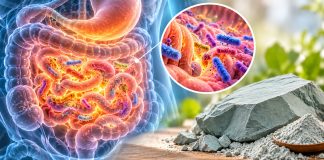
In recent years, intensive research has shown that brain health is directly linked to gut health. A balanced gut microbiome is of great importance here. This in turn can only function or, in the case of imbalances, be constructively built up if the foundations for this have been laid: This is because only an intestine free of heavy metals and toxins and a stable intestinal wall, also known as the intestinal barrier, provide the prerequisites for an efficient microbiome. These foundations can be achieved with the natural volcanic rock zeolite, which has also long been scientifically proven.
A groundbreaking clinical study by the renowned Harvard Medical School has now revealed the latest findings: The researchers found that a strict vegan diet with the addition of omega-3, curcumin and probiotics not only has a preventative effect, but that even people already suffering from Alzheimer’s benefit massively from this lifestyle change thanks to an improved gut-brain axis – and even better than through medication, as the researchers found.
Harvard confirms: Natural substances are the key to prevention, even for people who are already ill
The Harvard study investigated how targeted lifestyle changes can improve the cognitive performance of Alzheimer’s patients. What is particularly remarkable is that after just 20 weeks, i.e. five months, of intensive lifestyle interventions, the participants’ cognitive abilities increased by a whopping 40 percent. The interventions focused on a plant-based diet rich in anti-inflammatory nutrients such as omega-3 fatty acids, turmeric and probiotics. This diet was complemented by daily exercise and stress management. Participants also benefited from social support, which was an essential part of the intervention.
This holistic approach shows that prevention is not a passive process. Personal initiative, based on diet, exercise and stress reduction, can have a decisive impact on brain health. What makes this study so special is the fact that it shifts the focus away from purely drug-based approaches and towards natural measures. The results show that the path to better health is not only to be found in the laboratories of pharmaceutical companies, but also in our way of life and in nature.
Gut-brain axis: the key to brain health
The results of the study shed light on another crucial factor: the role of the gut microbiome. The researchers observed that the targeted lifestyle changes not only led to cognitive improvements, but also to profound molecular changes. In particular, the gut-brain axis, the link between the gut microbiome and brain function, played a central role. The number of beneficial gut bacteria increased, while harmful bacteria associated with the development of Alzheimer’s disease were reduced.
This shows that a healthy gut flora goes far beyond digestion. The microbiome influences inflammatory processes throughout the body and particularly in the brain, where inflammation is thought to be a driving factor behind neurodegenerative diseases such as Alzheimer’s. Diet and general lifestyle therefore have a direct impact on brain health – a finding that is becoming increasingly important.
Zeolite as a protective shield for the gut
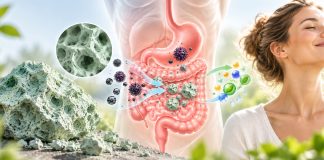
This is where the volcanic rock zeolite comes into play. Even though the Harvard study did not (yet) examine zeolite directly, we now know that a healthy microbiome can only develop its full effect if the gut is protected from harmful influences. Heavy metals, toxins and environmental toxins not only burden the gut, but also the microbiome, which is essential for a healthy gut-brain axis. Zeolite can help to bind these harmful substances in the intestine and eliminate them from the body.
Regular intake of zeolite detoxifies the gut and strengthens the intestinal barrier. This in turn enables the microbiome to do its job and ensure healthy communication between the gut and brain. Zeolite thus creates the basis for optimal absorption of nutrients and probiotics, which can support the prevention of neurodegenerative diseases.
A new approach to Alzheimer’s prevention and treatment
The Harvard study marks a turning point in Alzheimer’s research. While in previous decades the focus was heavily on drug-based solutions, it is now becoming clear that lifestyle interventions offer enormous potential. Prevention, natural treatment methods and personal responsibility are at the forefront, and the alliance between conventional medicine and naturopathy is becoming increasingly important.
Zeolite, as a natural intestinal support agent, can make an important contribution to this preventive approach. Strengthening the microbiome and detoxifying the gut are crucial factors for brain health – and therefore also for protection against Alzheimer’s.
Link to the Harvard study:
https://alzres.biomedcentral.com/articles/10.1186/s13195-024-01482-z