Exciting insights into the connection between the gut and longevity – and the role zeolite can play in this
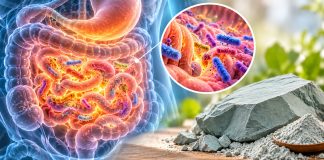
The quality of our ageing depends on what’s inside us – namely our gut, as science is increasingly discovering. Our gut microbiome, the fascinating community of trillions of microorganisms that colonize our digestive tract, is known to play a key role in our health and well-being.
However, it is not only the microbacterial diversity of the microbiome that is important here, but also the need for the microbiome to find the right basis for its colonization: Only an intact intestinal wall or intestinal barrier can provide the bacteria with the soil they need to thrive and remain viable. The volcanic rock zeolite can create the causal basis here and thus represent one of the keys to slower and healthier ageing.
What many people still don’t know today: The condition of the gut not only influences our daily vitality in the here and now, but also how quickly or slowly we age and what traces age leaves behind in our bodies. Recent scientific studies are opening up exciting new insights into the link between gut health and longevity – and show how crucial it is to protect and promote the sensitive intestinal system
The condition of the intestine as a mirror of ageing
The changes in the gut and within the microbiome over the years are a reflection of the ageing process. In the early years of our lives, the intestinal wall and microbial diversity are usually still intact. An intact gut supports the immune system, keeps inflammation in check and promotes energy production.
However, as we get older, both our immune system and the composition and function of our gut microbiome change. These changes mean that we become more susceptible to infections and react less well to external influences.
Over time, imbalances creep into the intestinal system and the diversity and quality of our microbiome increasingly decline. Environmental influences, stress, denatured food, too many antibiotics and, above all, exposure to heavy metals and toxins increasingly affect the gut, the intestinal mucosa and therefore the microbiome.
Over the years, pro-inflammatory bacteria multiply in the microbiome, while beneficial species such as Bifidobacterium or Lactobacillus strains are suppressed or sometimes even completely eliminated. These shifts are closely linked to the typical challenges of ageing, which have long been underestimated: Silent inflammation and reduced resilience to infections.
Why “Inflammaging” is a danger to our health
These silent inflammations are also referred to as “inflammaging” in relation to the ageing process. Chronic, subliminal inflammation triggered by a leaky gut wall and a disturbed microbiome can go unnoticed and yet cause great damage.
“Inflammaging conditions are a central problem of ageing and play a decisive role in the development of many age-related diseases. The persistent inflammatory state overwhelms the immune system, which remains in a permanent state of alert. This permanent activation considerably weakens the body’s own defenses and paves the way for serious health problems.
For example, chronic inflammation can disrupt insulin processing and increase the risk of type 2 diabetes and cancer the older we get. At the same time, silent inflammation attacks muscle function and leads to a loss of muscle mass and strength, which has a massive impact on quality of life in old age.
Brain health is not spared either: inflammatory processes can make the blood-brain barrier permeable and promote neurodegenerative diseases such as Alzheimer’s disease. Added to this are the harmful effects on the blood vessels, which lead to arteriosclerosis and significantly increase the risk of heart attacks and strokes. Another component is the impaired absorption of nutrients, which often occurs with a disturbed intestinal wall and altered intestinal flora and weakens the entire organism.
The intestinal barrier: a fundamental protective barrier against ageing
A key element is the intestinal barrier: this wafer-thin protective layer on the inner wall of the intestine acts like a bouncer, allowing desired nutrients to pass through while at the same time warding off harmful substances and pathogens. An intact intestinal barrier is essential for the microbiome to perform its tasks effectively. However, this barrier is sensitive. The aforementioned influences of stress, an unhealthy diet, environmental toxins such as lead, arsenic, cadmium, chromium or nickel as well as the light metal aluminum and age-related cell and metabolic changes can make the intestinal wall permeable – a condition known as “leaky gut syndrome”, which is affecting more and more people. The result: toxins and bacteria enter the bloodstream, inflammatory processes are fueled and the microbiome is thrown out of balance.
Zeolite: The ally for strong gut health to slow down the ageing process
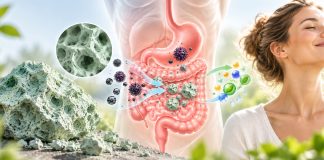
This is where zeolite comes into play, a natural mineral of volcanic origin that proves to be a valuable helper for the intestines. The natural volcanic rock zeolite can bind and eliminate toxins and heavy metals as well as ammonium, a toxic metabolic product that is produced during the digestive process. This relieves the intestines, regenerates the intestinal barrier and stabilizes the microbiome.
Studies with the special PMA zeolite (a form of zeolite refined by the research and development company PANACEO in a special process to optimize pollutant absorption) have shown that a healthy intestinal barrier is not only the basis for a functioning microbiome, but also helps to reduce systemic inflammation – a crucial factor in slowing down the aging process.
The pivotal points of ageing: the far-reaching connections of the intestine in the body
But science goes even further. More and more studies are showing that gut health has far-reaching effects on all other organs in our body. Via the gut-brain axis, the gut and the microbiome influence our cognitive abilities, mood and – as is increasingly scientifically proven – even the development of Alzheimer’s and other dementias.
Via the gut-lung axis, the condition of the gut and the microbiome play an intrinsically important role in immune defense (around 80 percent of our immune system is located in the gut) and resilience to infections. And via the gut-liver axis, the gut and its microbiome support the metabolism and all detoxification processes. All of these areas show that a healthy gut is the linchpin for a healthy life – and therefore for healthier ageing.
Simple measures for healthy ageing: What we can actively do ourselves
But there is hope: science shows that we can actively influence these processes. Current studies show that it is possible to specifically address age-related imbalances in the gut. This could not only reduce systemic, underlying inflammation, but also the age-related weakening of the immune system – two key processes that characterize ageing.
An important starting point is diet. The Mediterranean diet, which is rich in fresh vegetables, fruit, whole grains, olive oil and fish, has been shown to be extremely effective in reducing inflammation and promoting gut health. This diet provides an abundance of antioxidants, unsaturated fatty acids and fiber, which strengthen the microbiome while fighting oxidative stress.
The targeted intake of foods with antioxidant properties can also help to slow down the ageing process. Berries, nuts, green tea and turmeric are rich in bioactive substances that neutralize free radicals and support the immune system. The diet should be as varied as possible to provide the microbiome with a wide range of nutrients.
Prebiotics and probiotics play another key role. Prebiotic fibers, such as those found in oats, chicory or bananas, serve as food for the beneficial intestinal bacteria and promote their growth. Probiotic foods such as yoghurt, kefir or fermented vegetables provide live microorganisms that can help to restore the balance in the gut. These measures not only support the intestinal flora, but also have a positive effect on the immune system and general health.
In addition to diet, exercise and stress management are also crucial. Regular physical activity improves blood circulation in the intestines and supports the regeneration of the intestinal barrier. At the same time, exercise helps to reduce inflammation and strengthen the immune system. Stress reduction through meditation, yoga or breathing exercises can also help to maintain the delicate balance in the gut, as chronic stress often has a negative impact on the microbiome.
Last but not least, research shows that taking zeolite, especially in its activated PMA form, can be a valuable supplement. Zeolite binds toxins and heavy metals, relieves the intestines and supports the regeneration of the intestinal barrier. This not only creates the basis for a healthy microbiome, but also curbs the development of inflammatory processes. The combination of these approaches offers a holistic way to maintain health and positively influence the ageing process.
Conclusion: ageing is in our gut – and in our own hands
Ageing may be an inevitable part of life, but how we age is in our hands – or rather, in our gut. By taking care of this central organ and its delicate microbiome, we create the foundation for a longer, healthier and more fulfilling life. Zeolite and a conscious lifestyle can support us on this path and influence the signs of the times in favor of our well-being. After all, youthfulness and vitality come from within – and start with a healthy gut.
Studies and literature:
https://pmc.ncbi.nlm.nih.gov/articles/PMC7762384
https://www.nature.com/articles/s41575-022-00605-x
https://www.nature.com/articles/s41435-021-00126-8
https://pmc.ncbi.nlm.nih.gov/articles/PMC10174391