Cardiologist Dr. Christian Meyer on the gut, the microbiome, inflammation, longevity, new regenerative heart therapies, and why most people don’t think about their heart until it’s too late
Cardiovascular diseases remain among the leading causes of death worldwide. For a long time, medicine focused primarily on the heart itself—such as blood pressure, cholesterol, or narrowed blood vessels.
In recent years, however, this picture has expanded significantly. More and more studies show that our heart is part of a complex biological network. The gut plays an important role in this. Scientists now refer to the gut-heart axis. Cardiologist Dr. Christian G. Meyer explains how closely gut health, inflammatory processes, and heart function are interconnected in an interview with ZEOLITH WISSEN.
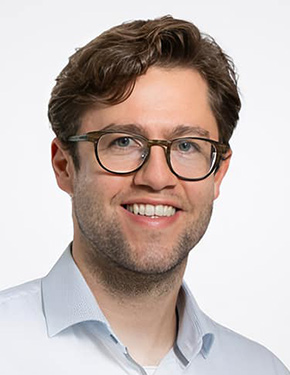
Dr. Meyer is a specialist in internal medicine and cardiology as well as a specialist in general medicine, and is also a certified longevity expert. At the Schlosspraxen Meyer in Hachenburg (Rhineland-Palatinate), he focuses intensively on prevention, modern cardiac diagnostics, and innovative regenerative therapeutic approaches.
ZEOLITH WISSEN (ZW): “Dr. Meyer, cardiovascular diseases have been the leading cause of death worldwide for decades. Despite modern medicine, however, the problem still seems to be growing. Why?”
Dr. Christian Meyer (CM): “We have certainly made enormous progress in cardiology. Heart attacks can be treated more quickly, blocked vessels can be specifically reopened, and many patients live significantly longer than before. However, the fundamental problem remains: We have become very good at treating the consequences of diseases—but still not good enough at preventing their causes. On top of that, new findings—for example, in the field of prevention and the application of innovative forms of therapy—are spreading only very slowly.”
Most people don’t think about their heart until it’s already too late.
Dr. Christian G. Meyer, specialist in cardiology, internal medicine, and general medicine
ZW: “Are these rising prevalence figures also linked to our lifestyle and our environment?”
CM: “Yes, quite clearly. Our way of life has changed dramatically in just a few decades. Many people don’t get enough exercise, eat highly processed foods, and are under constant stress. Added to this are growing environmental pressures. All these factors often lead to chronic, low-grade inflammation in the body, and these processes are now considered a key driver of many chronic diseases—from cardiovascular disease and diabetes to neurodegenerative diseases.”
Modern medicine is increasingly showing that the human body is a highly interconnected system. The condition of our gut, our microbiome, and our intestinal barrier can have a direct impact on the cardiovascular system.
Dr. Christian G. Meyer
The Gut and the Heart – A Long-Underestimated Connection
ZW: “There is increasing discussion in research about the so-called gut-heart axis. What does that mean specifically?”
CM: “The human body is a highly interconnected system. The gut plays a central role in this because it houses our microbiome—that is, billions of microorganisms involved in numerous metabolic processes. These microorganisms produce metabolites that can act throughout the body via the bloodstream and influence, for example, inflammatory processes or vascular function. If the microbiome is disrupted or the intestinal barrier is damaged, pro-inflammatory substances can enter the body. These chronic inflammatory processes can in turn damage the blood vessels and, in the long term, increase the risk of cardiovascular disease.”
ZW: “So that means a disrupted intestinal barrier can also contribute to the development of heart disease?”
CM: “Exactly. An intact intestinal barrier—that is, the multilayered system often simply referred to as the intestinal wall—normally ensures that only selected substances enter the bloodstream. However, if this barrier becomes more permeable, bacterial components or pro-inflammatory molecules, as well as toxins and metabolic waste products such as ammonium, can enter the entire body. This activates the immune system and can promote vascular damage in the long term, which is a key mechanism in the development of atherosclerosis.”
ZW: “If the gut, the microbiome, the state of the intestinal barrier, and inflammatory processes are so closely linked to heart health, does that conversely mean that prevention should play a much greater role than it has so far?”
CM: “Absolutely. I am even convinced that prevention will become even more important in the coming years. Many chronic diseases develop over years or even decades without people initially noticing. But that also means we have many opportunities to take early action. A healthy lifestyle with a balanced diet, regular exercise, sufficient sleep, and the reduction of toxins and stressors in the gut can make a huge difference here. At the same time, we should learn to view the human organism more as a whole system. Heart health doesn’t just depend on the heart itself. It is closely linked to metabolism, the immune system, gut health, and many other factors. If we better understand these connections, we can not only treat diseases systemically but, ideally, even prevent them.”
What Actually Happens in the Body During a Heart Attack
ZW: “Many people are familiar with the term ‘heart attack,’ but don’t know exactly what happens in the body during one. What is a heart attack from a medical perspective?”
CM: “A heart attack means the death of heart muscle tissue. The cause is usually a coronary artery that suddenly becomes blocked. Over the years, deposits can form in the artery walls. When such a plaque ruptures, blood platelets accumulate and a clot forms. This can completely block the vessel. The heart muscle then no longer receives oxygen. If this condition persists, the affected tissue begins to die. The faster a patient receives medical care and the vessel can be reopened, the more heart muscle can be saved.”
Prevention: Why early diagnosis is so important
ZW: “What options do you have as a doctor today to identify risks early on?”
CM: “A crucial factor is as precise a diagnosis as possible. Important tests include laboratory analyses, long-term ECG, blood pressure measurements, and stress tests. Modern ultrasound procedures also allow for a very accurate assessment of heart function today. One particularly interesting procedure, for example, is 3D stress echocardiography, which allows us to see how the heart functions under stress. Added to this is the crucial preventive care regarding the digestive tract: gastrointestinal endoscopies provide insight into the condition of the intestinal system and the esophagus. If negative changes are detected here, I can act early as a doctor. I know many people shy away from this procedure, but today it is very brief, precise, and, thanks to a very short period of anesthesia, not at all unpleasant. It is currently recommended starting at age 50, but—with prevention in mind—one should consider it even earlier.”
VO₂-Max – an important marker for heart health
ZW: “You often talk about the benefits of the so-called VO₂-Max value. What is that, and why is this value so interesting?”
CM: “VO₂-Max describes the body’s maximum oxygen uptake during exercise. Put simply, this value shows how well the heart, lungs, blood vessels, and muscles work together. In cardiology, this parameter is considered one of the most important markers for overall physical performance and life expectancy. Low values are associated with a significantly increased mortality rate. The advantage is: This value can be significantly improved through targeted measures such as exercise, weight loss, or better sleep.”
The future of medicine no longer lies solely in repairing damage, but in specifically activating our body’s natural regenerative mechanisms.
Dr. Christian G. Meyer
CSWT Regeneration Therapy: New Approaches in Cardiology
ZW: “When prevention is no longer enough and heart disease is already present—what options does modern cardiology offer?”
CM:
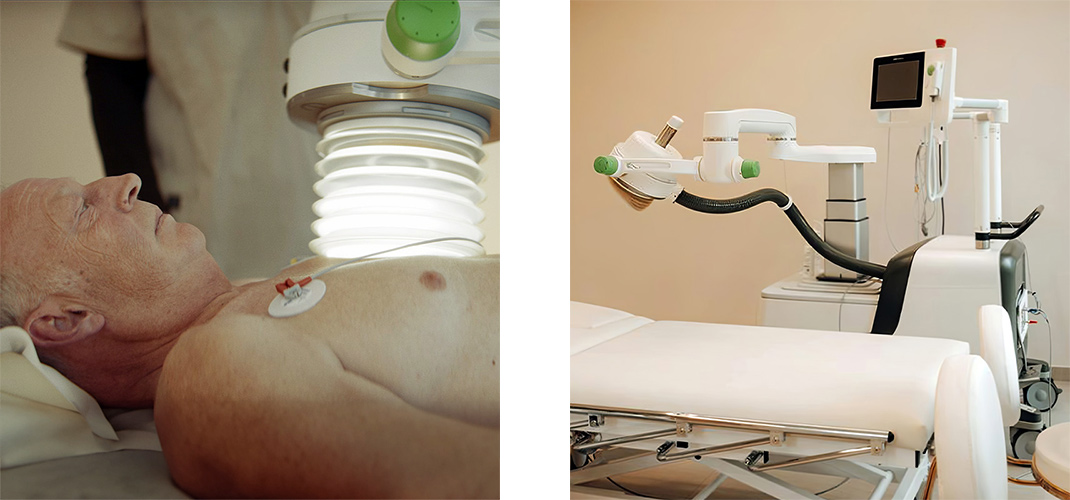
“While traditional cardiology offers very effective treatments—such as medications, catheter procedures, or surgeries—the development of other therapies that can trigger the heart muscle’s own regenerative processes is growing in parallel. One example is Cardiac Shockwave Therapy (CSWT), which we are currently the first private practice in the entire German-speaking region to offer. The operating principle of CSWT is purely regenerative in nature: it uses non-invasive, i.e., external, mechanical impulses to improve blood flow to the heart muscle and activate the body’s own repair mechanisms. This therapy is performed on an outpatient basis and can be a useful supplement to existing treatment options for certain patients.”
The Future of Cardiology – Consistent Prevention, Early Diagnosis, and Individualized Therapy
ZW: “In your view, where is cardiology headed?”
CM: “I see the future in a combination of modern diagnostics, consistent prevention, and innovative therapeutic methods. Today, we are gaining a better and better understanding that the human body possesses amazing regenerative mechanisms. The goal of modern medicine should be to specifically support these mechanisms. Ultimately, it’s not just about living longer, but about remaining healthy, active, and capable for as many years as possible.”
ZW: “To summarize our conversation, it’s clear that the environment, lifestyle, and the stresses on our bodies have changed significantly in recent decades. At the same time, knowledge about prevention and health is growing. Where do you see medicine heading?”
CM: “Despite all the challenges, I am very optimistic about the future. Never before have people been able to access such comprehensive information about health as they can today. Knowledge is a key factor in making informed decisions about one’s own lifestyle. Medicine is also changing significantly. Diagnostics are becoming increasingly precise, and at the same time, awareness of the importance of prevention is growing. In parallel, an exciting field is gaining momentum: regenerative medicine. The future therefore lies in a combination of modern diagnostics, consistent prevention, personal responsibility, and new medical approaches. Ultimately, the goal is what is often referred to today as longevity: living as long as possible in good health, remaining active, and enjoying a high quality of life.”
ZW: “Dr. Meyer, thank you very much for this insightful conversation.”
Dr. Christian G. Meyer
Dr. Christian G. Meyer is a specialist in internal medicine and cardiology as well as a specialist in general medicine. At the Meyer Schlosspraxen in Hachenburg (Rhineland-Palatinate), he combines modern cardiac diagnostics, preventive medicine, and innovative regenerative medicine procedures.
A particular focus of his work today is on the prevention of cardiovascular diseases, modern cardiological diagnostics, and new regenerative therapeutic approaches. Dr. Meyer is also a certified practitioner of medical shockwave therapy (DIGEST e.V.) and is one of the few practicing cardiologists in the German-speaking world who utilizes innovative regenerative procedures in cardiology.
As a certified longevity expert, his goal is not only for people to live longer per se, but also to enjoy many healthy, active, and productive years of life.
Further information on the range of services offered by the Meyer practice:
Does zeolite release aluminum into the body and deplete it of important minerals? Biochemist and human physiologist Prof. Peter Dartsch explains what the research...
Why the intestinal barrier and intestinal microenvironment are increasingly viewed in conjunction with irritable bowel syndrome - and what clinical data is now available...
You are currently viewing a placeholder content from Turnstile. To access the actual content, click the button below. Please note that doing so will share data with third-party providers.
You are currently viewing a placeholder content from Facebook. To access the actual content, click the button below. Please note that doing so will share data with third-party providers.
You are currently viewing a placeholder content from Instagram. To access the actual content, click the button below. Please note that doing so will share data with third-party providers.
You are currently viewing a placeholder content from X. To access the actual content, click the button below. Please note that doing so will share data with third-party providers.