In this interview, Dr. Walter Wührer and dentist Saskia Wolf discuss how environmental toxins affect our microbiome, why the gut begins in the mouth, and why PMA zeolite can be a key component of modern prevention.
Dr. Walter Wührer from Anif near Salzburg is a specialist in general medicine and family medicine with many years of clinical experience, including at the University Hospital of Salzburg. In his work, he combines conventional medicine with modern approaches to preventive and regulatory medicine. He takes a consistently systemic view of the human being: Environmental pollution, nutrient supply, intestinal health, and the microbiome play a central role in the development of many chronic diseases.
Together with dentist and orthodontist Saskia Wolf, he founded the IATRIK Academy two years ago – derived from the Greek term “Iatriké,” the study of the art of healing. The academy’s goal is to make medical knowledge about prevention, gut health, the microbiome, and environmental medicine easy to understand and share it with people who are interested.
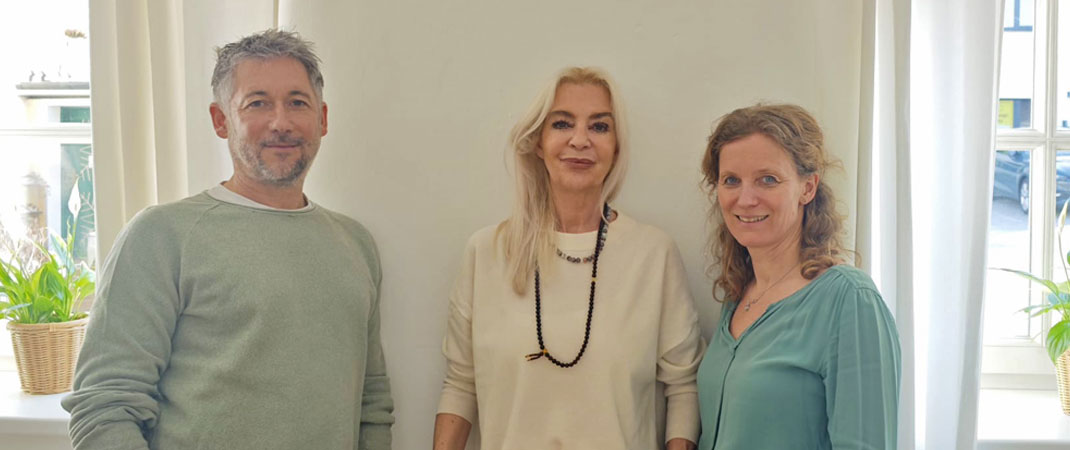
In an interview with ZEOLITH WISSEN, Walter Wührer and Saskia Wolf explain why chronic diseases are on the rise worldwide, what role environmental pollution plays in this, and why the gut, microbiome, and oral health are key to our overall health.
ZEOLITH WISSEN (ZW): “Dr. Wührer, when you look at current health statistics, it is clear that chronic diseases are increasing massively worldwide – from diabetes to cancer to neurodegenerative diseases. How do you explain this development?”
Dr. Walter Wührer (WW): “If you take a closer look at these diseases, you quickly realize that they all have a common denominator. It usually starts with a lack of energy in the cells. This lack of energy is caused by various factors: chronic infections, environmental exposure to toxins, or nutrient deficiencies. The fact is that our bodies still function according to principles that have developed over the course of evolution. But our modern lifestyle has changed dramatically within a very short period of time, and I’m only talking about the last few decades. Today, we have too little of many things that the body urgently needs — and at the same time, we have far too much of many things that it does not need and does not even recognize. This gap is widening in our modern lifestyle.”
Today, we have too little of many things that the body urgently needs — and far too much of many things that it does not actually need.
Dr. Walter Wührer, specialist in general medicine and family medicine
ZW: “What exactly do you mean by ‘too much’ and ‘too little’?”
WW: “On the one hand, we have seen a significant decline in important nutrients in our food. Our soils are depleted in many places, and long transport routes and industrial processing further reduce the quality of our food. At the same time, the stresses on our bodies are increasing significantly. Today, we live in a world of constant stress, high information density, and constant sensory overload. Added to this are environmental factors such as heavy metals, pesticides, PFAS, i.e., so-called forever chemicals, microplastics, and, of course, water and air pollution, which also affect our bodies. The human organism is an amazingly robust system and can compensate for many things. But at some point, the overall burden becomes too great. Then our systems begin to collapse—and that is exactly where chronic diseases arise. So we have far too much of the bad and far too little of the good, i.e., clean air, healthy food, and clear water.
Environmental pollution, too little exercise, and malnutrition: Children and adolescents are particularly affected
ZW: “Many doctors now report that health problems are appearing earlier and earlier in life. Have you observed this trend in your practice?”
WW: “Yes, absolutely. Today, we are seeing diseases or disorders in children and adolescents that used to occur more commonly in adults. These include, for example, metabolic problems, allergies, and chronic infections. One reason for this is that children today are constantly confronted with the same stresses as adults from birth. At the same time, their bodies are still developing. A growing organism is naturally more sensitive to environmental factors, nutrient deficiencies, and pollutants. We must therefore ask ourselves whether today’s generations can actually grow old as healthily as previous generations under these conditions. For the first time in a long time, the mortality rate could fall again.”
ZW: “Ms. Wolf, as a dentist and orthodontist, you are intensively involved with oral health. When it comes to the microbiome, many people immediately think of the gut. What role does the oral cavity play?”
Saskia Wolf (SW): “A very big role. The microbiome does not begin in the gut, but in the oral cavity and the mucous membranes of the nasopharynx. In fact, the oral microbiome is even more complex than the gut microbiome! With every swallow, saliva enters the digestive tract—and with it, microorganisms from the oral cavity. That’s why what happens in the mouth always has an impact on the entire digestive system. Many people focus exclusively on the gut and forget about the gateway to our digestive system. The oral cavity is the first place where food is processed and where it is decided how well the subsequent digestive processes can function.”
Too little attention: Oral health as a reflection of general health
ZW: “So you also observe connections between oral health and the general physical condition of your patients?”
SW: “Yes, of course, very clearly in fact. Gum disease or changes in the oral microbiome are often an expression of systemic processes in the body. A good example is periodontitis. For a long time, it was considered purely a gum disease. Today, we know that it can be closely linked to inflammatory processes throughout the entire body. The oral microbiome is also very sensitive to external influences—such as diet, stress, environmental pollution, or chemicals in dental care products. Many of these factors can alter the balance of the bacterial community in the mouth.”
The gut actually begins in the mouth. Many people only think of the gut when they think of the microbiome, but in reality it is everywhere – in the oral cavity, in the mucous membranes, and also in the lymphatic system. That’s why everything that happens in the mouth always has an impact on the entire body.
Saskia Wolf, dentist and orthodontist
ZW: “So you’re talking about a system in which everything is interconnected?”
SW: “Exactly. Our body only functions optimally when many processes are in balance with each other. If this balance is disrupted, it often first manifests itself in the mucous membranes – i.e., in the mouth, intestines, or even the nasopharynx. We see this very often in children. Many children today suffer from chronically blocked noses, which leads to mouth breathing, a significantly increased susceptibility to infections, and ultimately a kind of downward spiral: when children breathe mainly through their mouths, the oral mucosa dries out, the entire microbiome, including in the intestines, changes—and this in turn increases susceptibility to infections.”
The microbiome as the key to health: But it must also fit the lock.
ZW: “Dr. Wührer, when we talk about microbiomes, many people today immediately think of probiotics. In your opinion, is it enough to simply take certain strains of bacteria from the pharmacy, drugstore, or online shops?“
Walter Wührer (WW): ”Unfortunately, that is a very simplified idea that is far too short-sighted and leads nowhere. Our microbiome is a highly complex ecosystem. Every person has an individual microbiome that develops over many years. Simply introducing individual bacterial strains does not mean that they will permanently colonize the intestine. Studies even show that many of these introduced bacteria disappear again after a short time. Therefore, something else is crucial first: we must first create conditions in the intestine that allow the “good” bacteria to develop again in the first place.”
ZW: “So that means the foundation has to be laid first?”
WW: “Exactly. You can think of it like a garden. If the soil is full of pollutants and overgrown with weeds, it’s not much use just planting new plants. They’ll just die again. First, the soil must be cleaned and prepared. Applied to the intestine, this means that we must relieve the intestinal environment, especially the intestinal barrier: stresses such as heavy metals, environmental toxins, such as pesticides, or metabolic waste products such as ammonium must be reduced. At the same time, beneficial intestinal bacteria need the right nutrients to do their job, such as fiber like resistant starch, inulin, or pectin. Once these conditions have been created, the microbiome can often regenerate surprisingly well. The body has very strong self-healing mechanisms—you just have to give it the right conditions to do so.
Still underestimated: the increasing burden of environmental toxins
ZW: “Dr. Wührer, you previously mentioned environmental pollution as a key factor in chronic diseases. However, many people find it difficult to imagine what this actually means in concrete terms. What are we actually exposed to today?”
WW: “Most people significantly underestimate the extent of this pollution. If you take a closer look at the substances that can be detected in the human body today, it quickly becomes clear how complex this situation is. For example, there are special tests from the field of apheresis medicine. In these blood cleansing procedures, the blood is purified over several hours and then the supernatant is analyzed—that is, the substances that have been filtered out of the patient’s blood. These analyses regularly reveal numerous highly toxic substances: dioxins, pesticides such as glyphosate, heavy metals such as mercury, lead, cadmium, arsenic, or nickel, microplastics, PFAS – the so-called “forever chemicals” – or even residues of medications, and not just antibiotics. Studies show that the average Central European carries a surprisingly large number of such substances in their body, often several dozen at a time. The problem here is not just the individual substance, but above all the combination. In toxicology, limit values for individual substances can be determined relatively well. But what happens when many different substances are present in the body at the same time is scientifically almost impossible to calculate.”
ZW: “Does that ultimately mean that we live in a completely different environment today than we did a few decades ago and that we are all exposed to toxins?”
WW: “Yes, indeed. Our environment has changed dramatically in a relatively short period of time. Many of the chemicals we come into contact with on a daily basis today did not even exist a few generations ago, and our bodies simply do not recognize them. These substances enter our bodies through food, drinking water, and even the air. Even if individual exposures are below official limits, the overall exposure to the body can be significant. That’s why I think it’s important to consider two things: On the one hand, we should try to reduce exposure as much as possible, although this is hardly possible in some areas, such as air and water. On the other hand, the body today needs consistent support to be able to cope with the unavoidable stresses that are unknown to it.“
ZW: ”You have been working with natural substances such as zeolite or humic acids for many years in your practice to relieve stress. What role do these substances play in this context?”
WW: “When we talk about relieving the body, it basically comes down to two things: avoiding stress as much as possible and binding existing stress and removing it from the body. Certain natural substances play an important role here. The volcanic mineral zeolite, for example, has a very strong binding capacity for heavy metals and other toxic substances. Humic acids and fulvic acids, on the other hand, are particularly good at binding organic stressors such as pesticides or microplastics. These substances do not compete with each other, but complement each other. You can think of them as different tools that can bind different pollutants. The crucial point here is that such substances act in the intestine. The intestine is a central location for detoxification processes in the body, because a large proportion of metabolic products and environmental toxins return to the intestine via the enterohepatic circulation. If binding substances are present there, these substances can be absorbed and excreted.”
PMA zeolite as a building block of modern prevention: essential for a healthy body
ZW: “You work specifically with PMA zeolite in your practice. Why this zeolite in particular?”
WW: “The most important factors for us are the quality and scientific testing of a product. To my knowledge, PMA zeolite is the only one of the many zeolite products whose effectiveness and safety have been tested in clinical studies. In addition, processing plays an important role. Natural substances can be very effective, but they must also be properly processed and purified so that they can be used safely. Ms. Wolf and I therefore visited the production facilities of the research and development company PANACEO and had founder Jakob Hraschan and his team show us scientific data. These are truly people of conviction who know about the benefits of PMA zeolite for our entire society and therefore invest so much energy and money in their research for ethical reasons alone. Others do not do this. From our point of view, PMA zeolite is therefore the only sensible component of preventive health strategies – especially at a time when environmental pollution has become practically unavoidable.”
Too much of a good thing: When dietary supplements become complicated or even counterproductive
ZW: “Ms. Wolf, many people today are already trying to support their health with dietary supplements. At the same time, we keep hearing that many products are either incorrectly dosed, poorly combined, or even toxic themselves. How do you experience this in your daily practice?”
Every business mainly profits from its customers’ lack of knowledge. That’s why it’s so important for people to understand how their bodies work again—only then can they truly take responsibility for their health.
Saskia Wolf
SW: “We actually see this very often. Many patients come to us with bags full of dietary supplements. They take five, six, or even more different preparations every day—often without knowing exactly whether these are sensibly composed, contain pure ingredients, or are correctly dosed. The problem is that the market has become very confusing. This health market is also a big business, where good money is made from consumers’ deliberate ignorance. There are countless products, and many of them contain substances that are fundamentally beneficial, but either in too low doses or in combinations that are not optimal for the body. In addition—and here we come back to PMA zeolite—many of the products on offer are of inferior quality or even contaminated with harmful substances. This makes it increasingly complicated for people. They want to do something for their health, but quickly lose track of what is really useful and often do not know the background of the advertised products, which is especially true for social media. As experts, this makes us really anxious and fearful.“
ZW: ”Is that why you started developing your own dietary supplements?“
SW: ”Yes, exactly, it just had to be done. From our daily work in our practices, we noticed that many patients actually have very similar needs. They need a solid basic supply of important micronutrients—combined with measures that support the body in regulating and relieving stress. Added to this is PMA zeolite, which is not a dietary supplement, but an approved medical product. That’s why we started developing our own preparations that are precisely tailored to these needs. Our goal was to offer solutions that are as simple as possible and at the same time sensibly composed, so that people don’t have to take a variety of different products every day. We also make these products available through our IASIS Elements Shop. There, patients and interested parties can find exactly the same preparations that we use in our practices.”
ZW: “So your products are the direct result of your practical work with patients?”
SW: “Exactly. It was crucial for us that the compositions were truly effective and in line with the latest findings in medicine and nutritional science. This applies, for example, to the dosages of micronutrients or combinations of certain substances. Our approach has therefore always been to be as clear and comprehensible as possible and, above all, practical. Ultimately, it’s about giving people tools they can use to really support their health in everyday life.“
ZW: ”Dr. Wührer, in addition to your practices, you have jointly founded the IATRIK Academy. What is it and what triggered this project?“
WW: ”Over the years, we have repeatedly found that many people are actually very motivated to do something for their health – but they often lack the basic knowledge. There is an enormous amount of information available on the internet, but often the context or practical application is missing. This is exactly where we want to start with the IATRIK Academy. The name comes from the Greek word “Iatriké,” which means the study of medical healing. Our goal is to convey medical knowledge in an understandable way and to provide people with tools they can use to actively support their own health in everyday life. This involves topics such as nutrition, micronutrients, intestinal health, environmental pollution, and how to deal with modern lifestyle factors. It is important to us that people understand why certain measures are useful and why others are not, because only then can they act responsibly.
ZW: “So you are advocating that people take more responsibility for their own health?”
WW: “Absolutely. We live in a time when many decisions about our health are made externally—by industry, advertising, or even economic interests. That’s why I often say, somewhat provocatively, that every business profits mainly from its customers’ ignorance. This also applies to the health sector, of course. The less people understand how their bodies work, the more easily they are influenced by trends or marketing promises. Our aim is therefore to impart knowledge. When people understand how their bodies work and what factors influence their health, they can make much more informed decisions about what is really good for them. And by the way, it’s not that difficult. We impart the necessary knowledge in just four individual modules over two days and also offer all the information on our academy website.”
In today’s environment, it makes sense for every household to have high-quality PMA zeolite. It can help the body cope with daily stress – and, in our view, is a simple but central component of modern health care for the whole family, from children to grandparents.
Dr. Walter Wührer
ZW: “Ms. Wolf, Dr. Wührer, of course not all of our interested readers can visit your IATRIK Academy in Anif near Salzburg. So what are the most important tips you can give our readers?”
SW: “The most important step is to first realize that our modern environment poses a major challenge to the human organism. Today, we live with a multitude of stresses from environmental toxins, stress, microplastics, fine dust, changing eating habits, and much more. That’s why it’s sensible and important to give the body regular support. This includes eating as naturally as possible, getting enough exercise, healthy sleep, and a good supply of important micronutrients.”
WW: “Another point is relieving the body of harmful substances. In today’s environment, we therefore consider it necessary to use natural binding substances that can support the organism in this process. In our view, every household should have a can of high-quality PMA zeolite – for the whole family. From children to grandparents, such a natural substance, used two or three times a year as a treatment lasting several weeks, can help relieve the body in everyday life and support its natural regulatory processes. Ultimately, it is about supporting your own body more strongly again, instead of permanently overburdening it. Once you understand these basic principles, you can already do a lot for your health.“
ZW: ”Ms. Wolf, Dr. Wührer, thank you very much for this interview and your valuable information.”
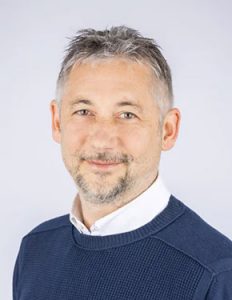 Dr. Walter Wührer
 is a specialist in general medicine and family medicine in Anif near Salzburg. After completing his clinical training at the University Hospital of Salzburg, among other places, he now devotes himself primarily to preventive and regulatory medicine. In his work, he combines conventional medical diagnostics with modern approaches to environmental medicine, intestinal health, and microbiome research.
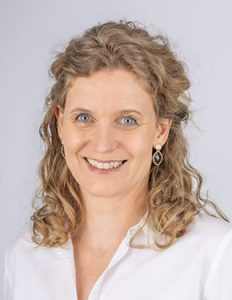 Saskia Wolf
 is a dentist and orthodontist who has been intensively studying the connection between oral health, the microbiome, and systemic health for many years. In her work, the health of the oral cavity plays a major role in relation to the entire digestive and immune systems.
Together, Walter Wührer and Saskia Wolf founded the IATRIK Academy, a platform for comprehensible medical knowledge on prevention, environmental pollution, intestinal health, and the microbiome. In seminars and courses, they provide interested individuals with practical health knowledge for everyday life.
In addition, they develop their own micronutrient concepts and offer these, as well as PMA zeolite, through their IASIS Elements Shop—based on their experience from their daily work with patients.
More information about the IATRIK Academy:
www.iatrik-akademie.at
Link to the IASIS Elements Shop:
https://iasis-elements.com