PMA Zeolite: Why a Volcanic Mineral Represents a Modern Foundational Tool in the Context of Longevity, Prevention and Health Research
Health prevention is now considered the most powerful medical tool we have — physicians and scientists largely agree on this. After all, far too many devastating diseases such as cancer, diabetes or neurodegenerative diseases like Alzheimer’s are still not causally treatable today, meaning there is no true cure. However, large studies show that preventive measures taken by individuals can significantly contribute to preventing these diseases from developing in the first place — for Alzheimer’s, prevention potential is estimated at around 40%, for cancer up to 50%, and for type 2 diabetes even 58%. Prevention and personal responsibility for our health are therefore not merely a “lifestyle trend,” but a necessary, scientifically measurable strategy.
The problem: Although prevention is considered important and sensible by many people, it is often perceived as rather unpleasant. Prevention is somewhat comparable to the unpopular gym membership people sign up for in January as a New Year’s resolution: meaningful, necessary, scientifically well proven — yet emotionally unattractive to many. Because prevention, as many people perceive it, means sacrifice, discipline and effort in the present for a benefit we ideally never directly experience, because the disease never occurs. This is exactly where the communicative problem of classical preventive medicine lies, as physicians, scientists and health economists openly admit today: the success of prevention remains invisible and intangible. And that is exactly how it should be. However, human beings want to see something, feel something, receive a reward. This makes prevention, despite all its benefits, rather difficult.
Longevity and Biohacking: New Terminology for Good Old Prevention
Yet the language has changed in recent years. Prevention became “longevity,” personal healthcare became “biohacking,” and the sober advice to exercise more, sleep adequately and eat healthily evolved into a billion-dollar future industry revolving around performance, energy, cellular health, regeneration and healthy aging. And right in the middle of this development, topics are increasingly emerging — at least within science — that until a few years ago were still considered more fringe areas of medicine and therefore also of prevention in all its forms: the relevance of the microbiome, especially the intestinal barrier, silent inflammation, environmental toxins, heavy metals and general gut health, along with the fundamental question of why modern humans are becoming increasingly ill despite prosperity and medical progress.
Behind the modern terms “longevity” and “biohacking” ultimately lies the same ancient human desire that has existed for centuries: we want to remain healthy, high-performing, mentally clear and physically vital for as long as possible into old age. What is new, however, is the scientific perspective through which these questions are now viewed. Modern longevity research is no longer concerned merely with wrinkles, fitness or dietary supplements, but increasingly with the biological mechanisms of aging themselves — with the consequences of chronic inflammation, oxidative stress, impaired metabolic processes, and above all with growing environmental burdens and the question of why — and especially how — our organism suffers more and more under the conditions of modern civilization.
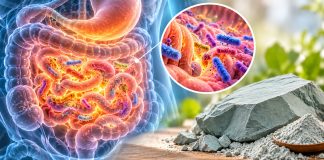
Following this logic, one active substance is slowly but increasingly appearing that has not yet been widely discussed in connection with longevity, prevention and biohacking, although biologically speaking it should belong among the most fundamental basic strategies of all: PMA zeolite. This zeolite is an optimized form of the volcanic mineral clinoptilolite zeolite, which has long been used in holistic medicine for detoxification and intestinal relief and has now long since become recognized as a scientifically validated detox and prevention tool thanks to numerous clinical studies (see also: Zeolite Studies).
Because when the modern longevity movement talks today about reducing inflammation, stabilizing metabolism, supporting the microbiome, avoiding environmental toxins and slowing biological aging, one central question inevitably arises: How is any of this supposed to work if the human body is confronted day after day with toxins, heavy metals, pesticides, microplastics, PFAS, fine particulate matter and other environmental burdens that silently and gradually affect the intestinal barrier, microbiome, immune system, cellular health and therefore the entire organism?
Between Ice Baths, Red Light Therapy and Smartwatches: The Modern Biohacking Market Keeps Growing — While Ignoring Biological Foundations
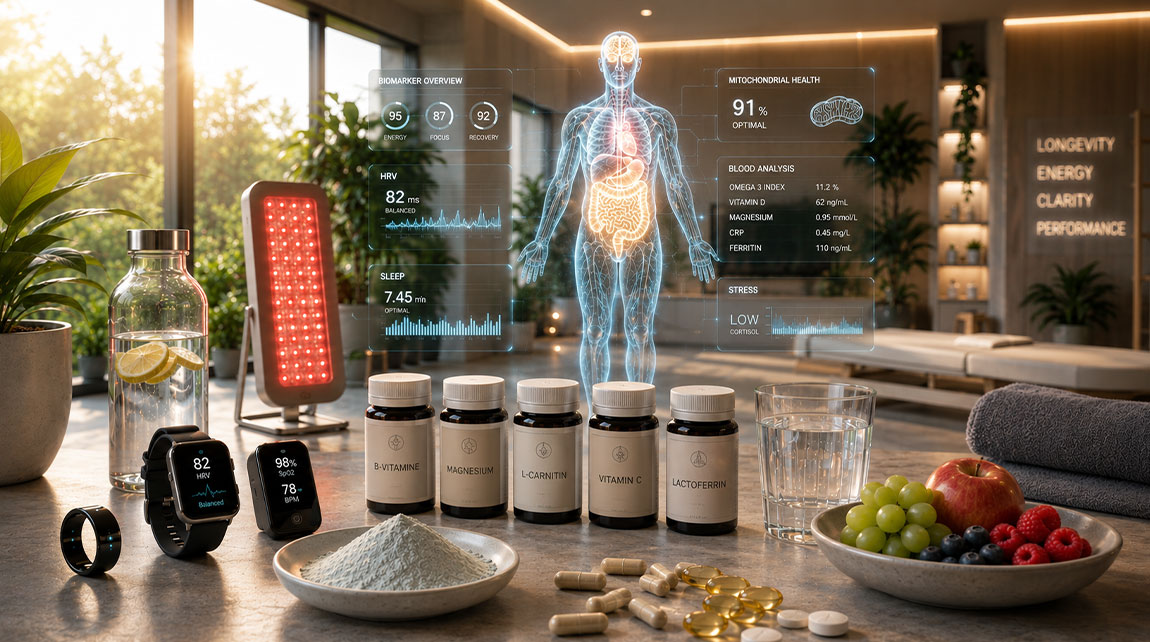
Anyone looking around social media, podcasts or modern health platforms today encounters an almost exploding world of so-called biohacking. Sleep is analyzed using sensors, blood glucose continuously monitored, heart rate variability measured, and experiments are conducted with cold exposure, light therapy, fasting or specialized breathing techniques, while an almost immeasurable number of dietary supplements are promoted. Some people even implant magnets or chips into their bodies, while others invest thousands of euros into infusions or futuristic-looking “longevity protocols” that financially have little in common with the possibilities of the average consumer.
Longevity, Biohacking and the Control Element: Without a Healthy Gut, Much of It Makes No Sense
And although much of this certainly contains interesting scientific approaches, there is simultaneously a remarkable contradiction — or rather a “missing link”: the more complex the modern self-optimization industry becomes, the more frequently it seems to overlook a biological foundation that should actually precede every form of healthy longevity strategy — or, expressed more traditionally, prevention itself: namely the central question of the internal biological environment in which all these measures are even supposed to work.
Because even the highest-quality dietary supplements or the most sophisticated biohacking strategies eventually reach their limits when the intestinal barrier and thus the microbiome remain chronically burdened, silent inflammation floods the organism, or environmental toxins continuously impact metabolism, the immune system and cellular health. In such situations, many of the currently celebrated measures are effectively pointless because their effects simply dissipate.
Modern microbiome and intestinal barrier research increasingly demonstrates that health cannot be viewed in isolation. The gut is not merely a digestive organ, but rather a highly complex communication center between the immune system, metabolism, hormonal system, brain and inflammatory regulation. And yet public discussion often focuses almost exclusively on probiotics, fermented foods or “good gut bacteria,” while one crucial question is surprisingly rarely asked: On what biological foundation can a healthy microbiome even thrive if the intestinal barrier itself is damaged? (see also: Gut Health and the Microbiome: Nothing Works Without a Healthy Intestinal Barrier)
The Intestinal Barrier: Possibly the Most Important “Missing Link” of Modern Prevention, Longevity Strategies and Healthy Aging
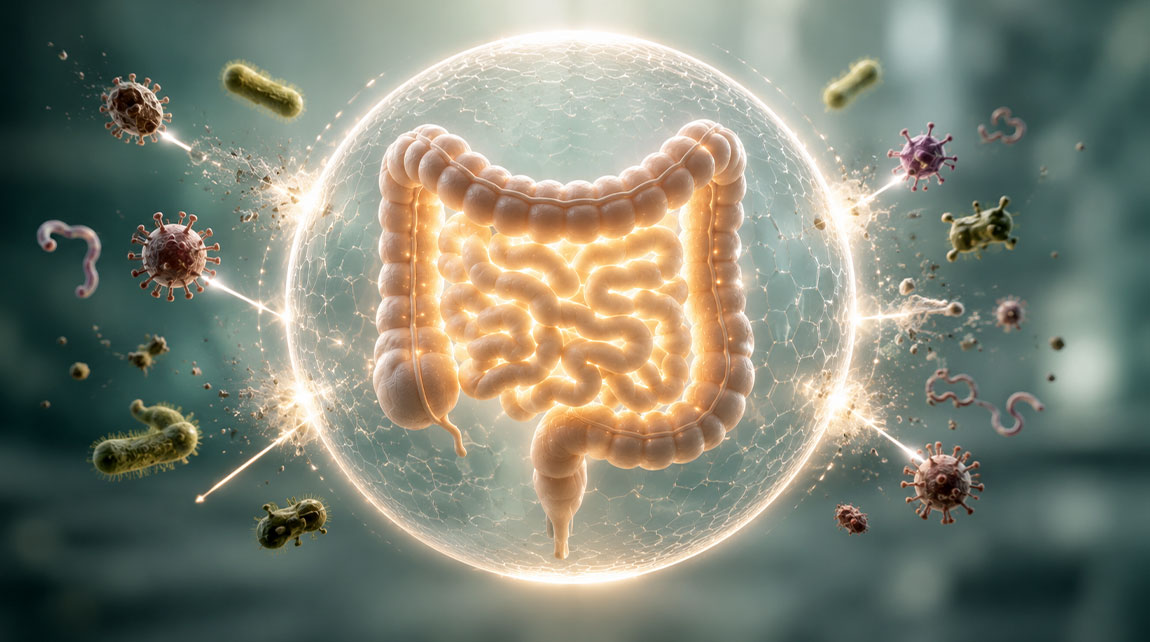
Only a few years ago, the term “intestinal barrier” was still largely unknown even among health-conscious individuals. Today, however, this is rapidly changing. Research increasingly discovers that this highly complex protective structure of the intestine plays a key role in numerous chronic diseases, silent inflammation and aging processes.
The intestinal barrier is far more than a simple “intestinal wall.” It consists of a finely coordinated combination of mucus layers, specialized intestinal epithelial cells, tight junctions, immune cells and the microbiome itself. Together, these structures form a kind of biological high-security filter that determines which substances may enter our organism — and which may not.
If this system remains intact, it can effectively defend against toxins, bacterial components and pro-inflammatory substances. However, if the intestinal barrier weakens, increasingly small “leaks” emerge through which substances can enter the bloodstream that do not belong there. The consequences are often not immediately noticeable symptoms, but rather silent, low-grade inflammatory processes that develop over years and are now associated with numerous chronic civilization diseases — from metabolic disorders and cardiovascular disease to neurodegenerative diseases (see also: Chronic and Silent Inflammation: How Environmental Burdens and Our Lifestyle Promote Cancer, Diabetes, Cardiovascular and Autoimmune Diseases). And this is precisely where the connection to longevity suddenly becomes highly interesting.
One of the central concepts of modern aging research is so-called “inflammaging” — a term describing the chronic, low-grade inflammatory activity that develops within the body with increasing age and is considered a potential contributor to biological aging processes. The more science learns about inflammaging, the clearer it becomes: chronic inflammation does not arise “for no reason,” but frequently develops on the basis of a permanently burdened metabolism, oxidative stress, environmental toxins, resulting impaired intestinal functions and an overburdened detoxification capacity of the liver and kidneys.
Environmental Toxins, Heavy Metals and the Silent Chronic Burden of Modern Civilization — Why Prevention Today Means More Than Just Healthy Eating and Exercise
Only a few years ago, prevention mainly consisted of recommendations such as “exercise more,” “eat less sugar,” “don’t smoke,” or “eat more fruits and vegetables.” These recommendations obviously remain correct and important — aside from the fact that healthy food has become increasingly difficult to find today. However, modern environmental medicine is increasingly expanding this picture by adding another crucial factor: lifelong exposure to environmental burdens.
Fine particulate matter, microplastics, pesticides, PFAS, heavy metals such as lead, cadmium, mercury, arsenic and nickel, as well as numerous other pollutants, now accompany modern humans almost constantly through food, water, air and consumer products. Science has now clearly demonstrated that many of these substances massively promote oxidative stress, chronic inflammation, metabolic disorders and accelerated biological aging processes. Consequently, serious longevity research increasingly addresses environmental medicine, exposome research and the reduction of toxic burdens. Because biologically speaking, the reality is simple: an organism that must constantly fight against silent toxic burdens has fewer resources available for regeneration, repair and healthy cellular function. This is why PMA zeolite has become highly relevant even within conventional medical circles today, especially for preventive strategies at home.
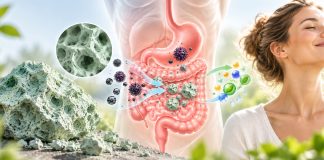
While many modern and often one-sided biohacking strategies attempt to “optimize” the body piece by piece, PMA zeolite addresses an even deeper level — essentially at the root of the problem: it binds dangerous toxic substances in the intestine before they can poison and damage the organism (see also: Zeolite – Eliminating Heavy Metals).
PMA Zeolite: A “Biohacking Tool” with Added Value — and Remarkably Easy to Use
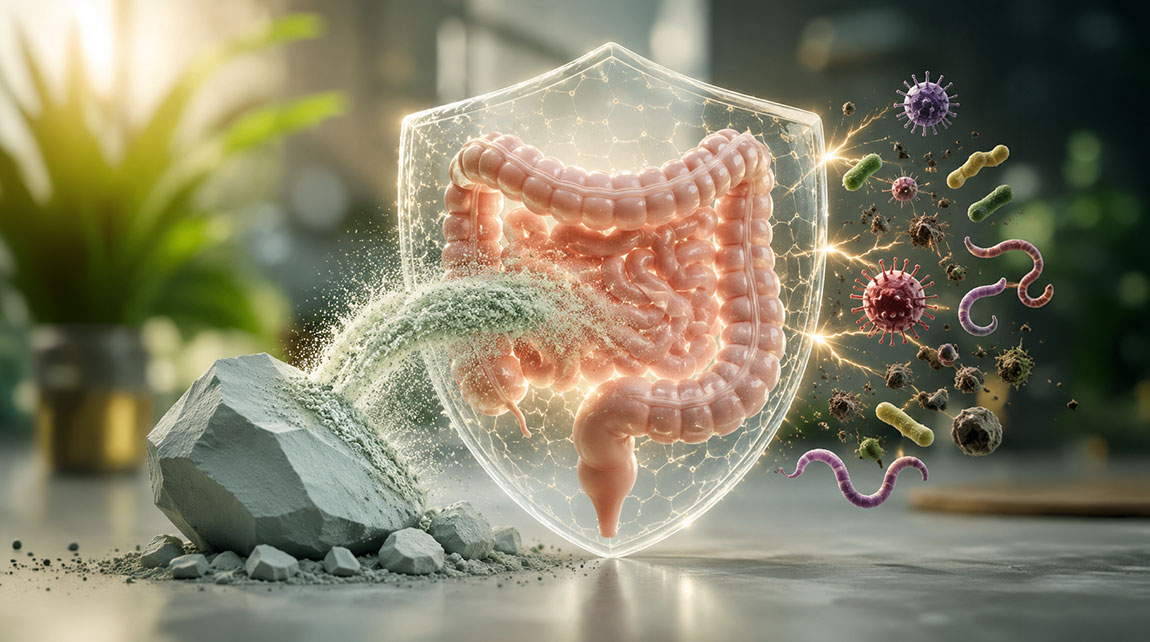
Specially microactivated PMA zeolite has been scientifically studied for years, particularly in connection with intestinal health, intestinal barrier function and the binding of various toxins. This is not about futuristic self-optimization or spectacular biohacking experiments, but rather about a comparatively simple yet fundamental biological strategy: supporting the organism in dealing with burdens before they can cause damage throughout the body — and scientific evidence clearly shows that they do, as demonstrated by the prevalence rates of cancer, diabetes and Alzheimer’s disease.
This gives PMA zeolite special relevance for modern prevention and longevity concepts and allows it to meaningfully complement them. While many people attempt to improve their cellular health through ever more dietary supplements, infusions or technical procedures, the importance of stabilizing the internal biological environment first is often underestimated — because without a stable intestinal environment, the active substances from supplements or infusions may not even be properly absorbed by the body.
A healthy microbiome — one of the central themes of modern medicine — requires a functioning intestinal barrier. A properly functioning metabolism requires an environment with as little inflammation as possible. And an organism confronted daily with environmental burdens benefits significantly when harmful substances can already be bound within the intestine. PMA zeolite therefore represents a powerful yet simple biohacking and longevity tool: dissolve PMA zeolite in water and drink it three times daily or take PMA zeolite capsules — ideally as a three-month course — and that’s essentially it. It integrates into daily routines as easily as brushing your teeth or making coffee (see also: Zeolite Dosage & Intake).
This significantly relieves and regenerates the organism, especially because the body’s regenerative mechanisms themselves represent one of the key concepts of prevention with a very real scientific basis. Research in this area is progressing rapidly — and PMA zeolite is one of its tools.
This does not mean that PMA zeolite alone is suddenly the ultimate answer to healthy aging. That would again be an oversimplification. Longevity remains a complex interplay of nutrition, exercise, sleep, stress regulation, social health and genetic factors. Yet protecting and maintaining the intestinal environment is a central element of prevention, longevity science and so-called biohacking.
Modern longevity therefore does not begin with high-tech devices, wearables or extreme self-experiments, but rather with focusing on those biological protective systems that the human organism has needed for thousands of years: a stable intestinal barrier, a functioning microbiome, minimal inflammatory activity — and a body that does not have to constantly fight against the silent burden of the modern environment.
Source References:
Lancet Commission: “Dementia Prevention, Intervention, and Care”, 2020
The renowned Lancet Commission concluded in its globally recognized report that around 40 percent of all dementia cases could theoretically be prevented or at least delayed. Among the most important modifiable risk factors identified by the commission are high blood pressure, diabetes, physical inactivity, smoking, obesity, air pollution, social isolation, depression and low education levels. The authors explicitly emphasize that prevention is never too early and never too late, and that lifestyle, environmental factors and metabolic health play a central role in brain health.
Link: https://www.thelancet.com/journals/lancet/article/PIIS0140-6736(20)30367-6/fulltext
World Health Organization: “Preventing Cancer”
The World Health Organization (WHO) estimates that between 30 and 50 percent of all cancer cases are fundamentally preventable. The WHO identifies smoking, alcohol, obesity, physical inactivity, air pollution, UV radiation and environmental pollutants as the most important contributing factors. Particularly noteworthy is the WHO’s classification of prevention as the most cost-effective long-term strategy against cancer, highlighting the enormous importance of lifestyle and environmental factors in the development of modern chronic diseases.
Diabetes Prevention Program Research Group: Reduction in the Incidence of Type 2 Diabetes with Lifestyle Intervention or Metformin, New England Journal of Medicine
This landmark Diabetes Prevention Program study demonstrated that intensive lifestyle intervention reduced the risk of type 2 diabetes in high-risk individuals by 58 percent — significantly more effectively than treatment with metformin. Participants achieved this primarily through weight reduction, regular physical activity and lifestyle changes. To this day, the study is considered a milestone in preventive medicine and clearly demonstrates that chronic metabolic diseases are by no means an unavoidable fate.