Heavy metals, fine dust, toxins: How zeolite can help eliminate harmful substances from the body
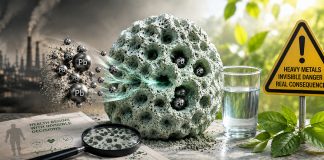
From heavy metals in food and particulate matter in the air to toxins and so-called eternal chemicals in drinking water: environmental pollution and environmental toxins are unfortunately omnipresent in our lives. Every day, we take in numerous pollutants unnoticed – through the air we breathe, the water we drink and the food we eat. But how can we detoxify our bodies before all these substances accumulate in our bodies?
Heavy metals such as lead, mercury, arsenic, cadmium, chromium and nickel, as well as pesticides, microplastics and countless industrial chemicals often pollute our bodies for decades. The consequences range from exhaustion and concentration problems to chronic inflammation and serious illnesses. Our gut is particularly affected (see also: Gut health), which is not only responsible for nutrient absorption, but also plays a crucial role in detoxifying the body and eliminating harmful substances.
But there is good news: we are not helplessly at the mercy of these burdens. With natural remedies such as the volcanic mineral zeolite (see also: What is clinoptilolite zeolite?), we can actively support our body and effectively bind and eliminate many harmful substances.
From invisibility to the media spotlight: environmental toxins are moving into the public eye
For a long time, environmental pollution was an abstract problem for many – far away in industrial zones or on the other side of the world. Today, however, they are moving ever closer to our everyday lives, as all the increasing burdens now affect us directly and immediately. At the same time, awareness of these invisible dangers is growing. More and more people are questioning the impact of environmental toxins on their health and are looking for ways to protect themselves.
This new mindfulness is not only a consequence of increasing stress, but also an expression of a social change: interest in prevention, detoxification and sustainable health is on the rise. Climate change, once a distant threat, is palpable in the here and now – and with it the urgency to take care not only of the planet, but also of our own bodies.
This is also shown by the latest news (as of February 2025), which is indeed shocking and demonstrates how we have long been directly affected in many ways in our everyday lives, as the following examples show.
Contaminants in drinking water: PFAS decomposition products detected in Austrian mineral water

In Austria, for example, a recent study by the Upper Austrian Chamber of Labour and the environmental organization Global 2000 revealed alarming results: of 18 mineral waters and five medicinal waters tested that we buy every day, nine products contained the PFAS decomposition product trifluoroacetate (TFA).
This so-called “forever chemical” is one of those synthetic chemicals that are extremely persistent in the environment because they are very difficult or impossible to break down. They are suspected of being carcinogenic, weakening the immune system and impairing fertility. The term “perpetual chemical” underlines the danger that these pollutants, once released into the environment, remain there for generations.
The study also shows that even deep spring water is no longer immune to contamination. Particularly explosive: TFA is formed as a degradation product of pesticides containing PFAS, which are still used in agriculture.
But it’s not just our drinking water that is contaminated – invisible pollutants also enter our bodies every day through food. A recent study shows that we ingest thousands of potentially harmful foreign substances without even knowing it.
Toxic cocktail in the body: over 3,500 foreign substances found in blood, urine and breast milk
A recent, comprehensive study published in the “Journal of Exposure Science and Environmental Epidemiology” has delivered dramatic findings: Researchers found a total of 3,601 harmful foreign substances in human samples – including in blood, urine, hair and even breast milk. The origin of these substances is particularly worrying: Many come from food packaging, pesticides and industrial production processes. Chemicals such as PFAS, phthalates, heavy and light metals and bisphenols are not only omnipresent, but also accumulate in the body.
In the long term, they can promote hormonal disorders, neurological damage and even cancer. While researchers are calling for legislators to introduce stricter limits and better controls, the best protection for consumers remains a conscious choice in diet and packaging materials and, of course, taking specific measures to relieve and detoxify the body in the best possible way, such as with zeolite.
Air pollution also remains an invisible but omnipresent risk factor for our health. A new study shows that despite falling pollutant levels, the risk of death from air pollution remains alarmingly high.
Cleaner air, but the same risk? Why pollutants in the atmosphere are still deadly
A recent international study led by the Helmholtz Zentrum München has shown that the risk of death from air pollution remains high, even when concentrations of pollutants in the air are falling. Data from 380 cities worldwide was examined. The results are alarming: particulate matter, nitrogen oxides and ozone continue to affect the health of millions of people and increase the risk of cardiovascular and respiratory diseases.
Every year, more than 4.5 million people die prematurely as a result of air pollution! Agriculture also suffers – because falling crop yields are a direct consequence of polluted air. Experts have long been calling for stricter measures to reduce emissions, because one thing is clear: “less polluted air” does not automatically mean “healthy air”.
Heavy metals in everyday life: health risks from lead, cadmium, arsenic, chromium and nickel

In addition to air and water pollution, heavy metals in our environment pose a significant health risk. In its CERCLA list (Comprehensive Environmental Response, Compensation, and Liability Act), the US Environmental Protection Agency (EPA) has classified several of these metals as being of particular concern.
Numerous studies shed light on the effects of lead, cadmium, arsenic, chromium and nickel on the human organism and possible measures to reduce this pollution.
Although these heavy metals are initially natural components of the earth’s crust, they have no place in the human – or animal – organism. However, through human activities such as industry, transportation and agriculture, they are increasingly entering our environment and our food chain. These metals can accumulate in the body and cause various health problems:
- Lead: This heavy metal can enter the body via contaminated water, food or air. It accumulates in the bones, liver and kidneys, where it can displace essential minerals. Chronic exposure to lead can lead to neurological disorders, high blood pressure and kidney damage. Children are particularly at risk, as even small amounts can impair their mental development.
- Cadmium: Mainly ingested through the consumption of contaminated plant foods or the inhalation of tobacco smoke, cadmium can cause kidney damage in the body and reduce bone density, leading to osteoporosis. Long-term exposure is also associated with an increased risk of lung and prostate cancer.
- Arsenic: This semi-metal is often found in drinking water, dairy and rice products as well as fish and seafood. Long-term intake of arsenic can cause skin changes, peripheral neuropathies and an increased risk of skin, lung and bladder cancer. Arsenic also impairs the immune system and can promote cardiovascular disease.
- Chromium: While trivalent chromium is considered an essential trace element, hexavalent chromium (chromium VI) is highly toxic and carcinogenic. Exposure often occurs in the workplace through inhalation of chromium-containing dusts and vapors, which increases the risk of lung cancer. Chromium VI can also cause skin irritation and ulcers.
- Nickel: Nickel is found in many everyday objects and contact can cause allergic skin reactions. Chronic inhalation of nickel dust, especially in the workplace, is associated with an increased risk of lung and nasal cancer. Nickel can also irritate the respiratory tract and aggravate asthma symptoms.
Microplastics are also no longer a supposedly distant problem in the oceans – they can be found in our air, our water and now also in our organs. Microplastics are synthetic polymers that are smaller than five millimetres and are difficult or impossible to break down. These particles can accumulate in organisms such as fish and shellfish and thus end up in our food via the food chain.
New studies show that the tiny plastic particles accumulate in the human body and are particularly concentrated in certain organs. Microplastic particles can lead to functional disorders in the cardiovascular system in the short term and promote the development of chronic diseases in the long term. The focus is particularly on chronic inflammation, respiratory diseases and metabolic disorders, which are associated with prolonged exposure to these particles. The EU has long been working on banning products containing microplastics – but this is likely to take many more years.
Microplastics in the brain: New study shows alarming contamination of human organs
A study recently published in the renowned journal “Nature Medicine” investigated the occurrence of microplastic and nanoplastic particles in human tissue. The researchers analyzed samples from the brain, liver and kidneys of deceased people from 2016 and 2024 and found that the concentration of microplastics in the brain was significantly higher than in the other organs. There was also an increase in plastic pollution in the brain and liver over the period studied. The most common type of plastic found was polyethylene, which is mainly used in packaging materials. Interestingly, brain samples from people diagnosed with dementia showed up to six times higher microplastic concentrations than those from people without dementia.
Microplastics have long since found their way into our bodies – but they are not only found in food and drinking water, but even in places that were previously considered relatively untouched. A new study shows that even high alpine glacial lakes are no longer protected from the flood of plastic.
Plastic in the Alps: Microplastics detected in Austrian glacial lakes for the first time
A recent analysis by Greenpeace, which is currently causing a stir, has detected microplastics in several Austrian glacial lakes for the first time. The Schlatenkees in Tyrol, the Schmiedingerkees in Salzburg, the Hallstätter Glacier in Upper Austria and the Pasterze in Carinthia were examined. All four lakes were contaminated with microplastics, and a total of 13 different types of plastic were identified. It is particularly worrying that these particles enter the water cycle as the glaciers melt and ultimately end up in our drinking water via streams and rivers.
Greenpeace warns that microplastics not only severely disrupt ecosystems, but also pose health risks to humans and our animals due to the harmful substances they contain. The organization is calling for stricter measures to protect glaciers and a drastic reduction in global plastic production in order to curb further pollution of our environment.
Zeolite: The natural protective shield against invisible dangers

All the reports and studies show one thing very clearly: we live in a world in which environmental toxins have long been omnipresent. Heavy metals, toxins, particulate matter – they are in the air we breathe, in the water we drink and in the food we eat. No human being can completely escape this pollution. And our animals? They share the same habitat, sniff the ground with their fine noses, drink from puddles, lick their fur – they are just as affected.
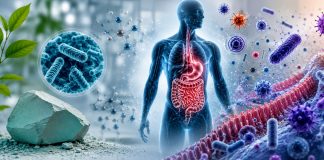
But now comes the good news: our body is not a helpless victim. It has great mechanisms to protect, regenerate and detoxify itself – if we actively support it. One of the most effective natural ways of ridding the body of certain harmful substances is zeolite. This fascinating volcanic rock acts like an invisible filter that binds heavy metals and toxins and safely removes them from the body, specifically from the intestines.
The intestine as the detoxification center of our entire organism
The intestine, in which zeolite unfolds its central effect, is far more than a mere “nutrient utilization system”. It plays a key role in our health, as it controls numerous vital processes in the body via various so-called axes. We would like to briefly introduce the most important intestinal axes:
-
- Gut-brain axis
The gut-brain axis describes the bidirectional communication between the gut and the brain. This interaction takes place via neuronal, hormonal and immunological pathways. The gut barrier and the gut microbiome can influence our mood, behavior and cognitive functions. Conversely, mental states can influence the gut.
-
- Gut-liver axis
The gut-liver axis refers to the close connection between the gut and liver. Nutrients and potentially harmful substances from the intestine reach the liver directly via the portal vein. Increased intestinal permeability in the form of a disturbed intestinal wall and, as a result, intestinal flora that is no longer intact can put a strain on the liver and lead to numerous diseases.
-
- Gut-lung axis
The gut-lung axis shows the interaction between the gut and lungs. Changes in the intestinal mucosa and the intestinal microbiome can modulate the immune system and thus influence respiratory health.
-
- Gut-skin axis
The gut-skin axis describes the relationship between gut health and skin condition. A damaged gut wall leads to an imbalance in the gut microbiome, which can promote skin problems such as acne, psoriasis or neurodermatitis. A healthy gut therefore contributes to healthy skin.
-
- Intestinal mucosa network
The gut is also connected to other mucous membranes in the body, such as those in the mouth, nose and lungs. This intestinal mucosal network enables a constant exchange and influences the immune defense in various parts of the body.
These axes illustrate how central the role of the gut is to our overall health. A healthy gut not only supports digestion, but also has far-reaching effects on various organ systems. A well-functioning gut not only protects our digestion, but also our brain, liver, lungs, skin and immune system. But what happens when the intestinal barrier is weakened and harmful substances accumulate in the body? This is where zeolite comes into play.
Clinoptilolite zeolite: the intelligent pollutant scavenger in the intestine
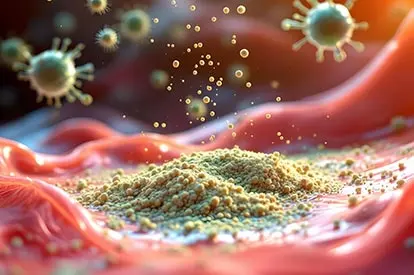
Zeolite is a volcanic mineral rock with a special crystal structure that enables it to bind pollutants and heavy metals such as lead, cadmium, arsenic, chromium and nickel as well as toxins such as ammonium. Incidentally, only the special form of this rock called clinoptilolite zeolite is used for human and animal consumption! This zeolite works according to a clear principle:
Clinoptilolite zeolite is a true master of binding – in the best sense of the word! It is naturally negatively charged, whereas many heavy metals and toxic substances are positively charged. This leads to a simple but effective physical principle: opposites attract.
As soon as the zeolite enters the intestine, this fascinating process begins. The mineral’s negatively charged cavities act like tiny magnets, literally drawing harmful substances out of the digestive tract. Lead, mercury, cadmium, arsenic and other toxic heavy metals that we absorb through water, food or air are safely trapped in the crystal structure of the zeolite. These substances could otherwise enter the bloodstream via the intestinal wall and be deposited in organs such as the liver, kidneys or even the brain – with potentially devastating consequences for our health.
But that’s not all: zeolite not only binds heavy metals, but also other harmful substances, including ammonium, pesticide residues and even toxic metabolic products produced by the body itself. Once trapped, these substances remain trapped in the zeolite and are excreted naturally in the stool – without the body ever absorbing them again.
And the best thing about it: zeolite works selectively! Unlike some aggressive detoxification methods, it does not deprive the body of important minerals such as magnesium or calcium, which are essential for our health. Instead, the absorption of nutrients from food remains undisturbed while harmful substances are eliminated.
Good to know: Zeolite detoxifies, but does not lead to nutrient loss
By the way, a widespread misconception is that zeolite not only removes harmful substances from the intestine, but also essential nutrients such as minerals and vitamins! In fact, the opposite is true.
Selective adsorption: the zeolite only focuses on the harmful substances and acts as a micronutrient coach
Thanks to its unique crystal structure and negative charge, zeolite, as already mentioned, only attracts positively charged pollutants such as heavy metals and toxins. Essential minerals and vitamins, on the other hand, are not bound due to their chemical properties and molecular size. Studies confirm that zeolite does not adsorb nutritive elements such as amino acids, vitamins and minerals such as calcium, magnesium and potassium, so that their availability in the body is maintained.
As a natural mineral, zeolite naturally also contains positively charged ions such as calcium, magnesium and potassium. Through the ion exchange processes that take place in the body, the minerals contained in zeolite can also be released into the body, which can help to meet daily requirements.
A comprehensive relief program for the intestines, liver and immune system
By intercepting harmful substances in the intestine before they enter the body, zeolite relieves the liver of an enormous burden. Normally, the liver is our most important detoxification organ, tirelessly neutralizing and processing harmful substances. However, if the burden becomes too great – for example due to environmental toxins, medication or a poor diet – this highly sensitive system begins to falter. Zeolite ensures that many toxins do not enter the liver in the first place, so that it can carry out its actual tasks undisturbed.
The kidneys also benefit from this protective mechanism. Because if the liver is overloaded, many toxins end up in the kidneys, which then have to be laboriously filtered out. By binding early in the intestine, zeolite reduces this additional burden – a real benefit for the body’s entire detoxification cascade!
But what does all this mean for our well-being? In short, a body that struggles less with toxins has more energy for everything else. The immune system is relieved, inflammatory processes are reduced and many people report more energy, mental clarity and a better general sense of well-being after taking zeolite regularly.
Zeolite and science: clear facts instead of myths – but this only applies to PMA zeolite
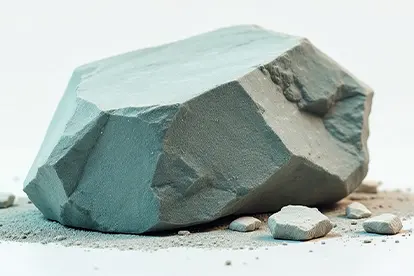
To this day, zeolite is repeatedly pushed into the corner of unproven alternative medicine – but the opposite is actually the case. The detoxifying properties of zeolite, in particular its ability to bind heavy metals, have been scientifically investigated and proven. However, as with many natural substances, the actual benefits depend heavily on the quality and processing of the product in question.
In Europe, it is PANACEO International GmbH that sets scientific standards as a leading research and development company in this field. For over 20 years, the company has invested in basic clinical research and high-quality clinical studies to prove the efficacy and safety of zeolite for humans. PANACEO is the manufacturer of PMA zeolite – a special form of clinoptilolite zeolite refined by the patented PANACEO Micro Activation (PMA) process.
These scientific studies relate exclusively to PMA zeolite, which has been specifically optimized for human use. This means that the positive health effects proven in these studies do not apply to other zeolite products on the market. PANACEO shows that scientific research and natural medicine are not contradictory, but can complement each other perfectly. These helpful supplements can be seen today, for example, in the possibility of reducing the side effects of chemotherapy for cancer (see: Zeolite in cancer therapy ) or in the treatment of osteoporosis (see: Zeolite for osteoporosis ).
If you want to use zeolite to support your health, you should therefore make sure that the product in question has been scientifically tested and approved as a certified medical product for human use.
Pollutants out, well-being in – simple and effective detox with zeolite
Let’s summarize once again: The burden of environmental toxins is omnipresent – but there are ways to actively relieve the body. Zeolite offers a natural way of binding and eliminating harmful substances before they burden the organs and metabolism. Regular intake can help the body to rid itself of heavy metals, pesticides and other toxins – and in the simplest possible way.
A detox cure with zeolite can therefore be a valuable measure to promote long-term health and well-being. The natural mineral acts as an internal filter that gently and reliably removes unwanted substances from the body. At a time when environmental pollution is constantly increasing, even a small step towards detoxification can have a big impact – for more energy, a strengthened immune system and a good feeling in your own body.
Left:
Pollutants in drinking water: PFAS decomposition products detected in Austrian mineral waterhttps://ooe.orf.at/stories/3293852
Toxic cocktail in the body: over 3,500 foreign substances found in blood, urine and breast milk
https://www.nature.com/articles/s41370-024-00718-2
Cleaner air, but the same risk? Why pollutants in the atmosphere are still deadly
https://www.thelancet.com/journals/lanplh/article/PIIS2542-5196(24)00168-2/fulltext
Heavy metals in everyday life: health risks from lead, cadmium, arsenic, chromium and nickel:
https://www.epa.gov/epcra/consolidated-list-lists
Microplastics in the brain: New study shows alarming contamination of human organs
https://www.nature.com/articles/s41591-024-03453-1
https://www.nature.com/articles/d41586-025-00405-8
https://www.tagesschau.de/wirtschaft/verbraucher/mikroplastik-verbot-eu-100.html
Plastic in the Alps: Microplastics detected in Austrian glacial lakes for the first time
Zeolite and science: clear facts instead of myths – but this only applies to PMA zeolite
https://www.frontiersin.org/journals/pharmacology/articles/10.3389/fphar.2022.874028/full
https://repository.fzsri.uniri.hr/islandora/object/fzsri%3A1581