Cancer is on the rise: Why more and more people are affected
Cancer – the word alone is shocking. Because behind every diagnosis lies a fate, a person, a life in a state of emergency. And even though modern medicine has made great progress, one bitter truth remains: The number of cancer cases has been rising for years – and in almost all age groups, including children and adolescents.
 In Germany alone, over 500,000 people are now diagnosed with a form of cancer every year. In Austria, there are around 44,000 new cases per year – and the trend is rising. What is particularly alarming is that the number of cases is also increasing in people under the age of 50. In young men, for example, bowel cancer is being diagnosed more and more frequently and the dreaded pancreatic cancer is also increasing significantly.
And while therapies are constantly improving, death rates are also rising due to the higher prevalence figures. Today, cancer is no longer just an acute disease, but often also a chronic condition or, almost succinctly, a chronic disease – with phases of remission, relapses and long-term medication.
According to the Federal Statistical Office, cancer is the second most common cause of death in Germany after cardiovascular diseases. More than 1.4 million people were hospitalized for cancer in 2023, and the trend is unfortunately rising here too.
Research into causes reveals more and more: Environmental pollution, lifestyle and microbiome play an increasing role in cancer
Why are more and more people developing cancer? The answer is complex – and is often hidden in everyday life. In addition to genetic predisposition and increasing age, environmental factors are now considered to be the main contributors. The modern world brings with it a multitude of risks:
- Air pollutants such as particulate matter and nitrogen oxides, which we (have to) ingest with every breath we take;
- Heavy metal pollution such as cadmium, mercury or arsenic, which are deposited in the body, especially in the intestines;
- Dioxins and pesticides, which accumulate in food and thus put more strain on our bodies every day;
- Perpetuity chemicals (PFAS), i.e. around 15,000 now known carbon-fluorine bonds that are found everywhere, are increasingly suspected of having carcinogenic effects.
This list could go on and on. The International Agency for Research on Cancer (IARC) lists hundreds of substances that are suspected of causing cancer.
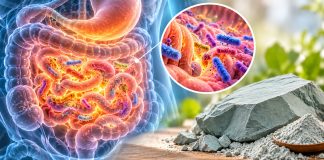
What is particularly insidious is that we are no longer just exposed to individual toxins, but to a constant rain of toxins. At the same time, more and more people are suffering from impaired intestinal flora, chronic inflammation and a weakened immune system. The body’s own detoxification capacity is exhausted. A contaminated intestine, a permeable intestinal wall (leaky gut), silent inflammation – all this creates an environment in which degenerate cells, i.e. cancer cells, can gain a foothold more easily.
The role of the intestine in the development of cancer: When the internal defense weakens
In recent years, our understanding of the role of the gut in cancer prevention has expanded enormously. Studies show that an intact microbiome and a healthy gut barrier can help to stabilize the immune system and reduce inflammation in the body – two key factors in the fight against cancer.
As is now well known, the intestine is not just a simple digestive organ, but a central control center for our health par excellence. If it is weakened by environmental toxins, medication or poor nutrition, it can no longer fulfill its protective function, which can lead to the development of chronic diseases and cancer.
Chemotherapy: a lifesaver with numerous side effects as downsides
Once the diagnosis has been made, the battle begins. Alongside surgery and radiotherapy, chemotherapy is still one of the most common treatment methods – often indispensable, sometimes life-saving. However, its effect is double-edged: cytostatics, i.e. the drugs used in chemotherapy, are designed to inhibit cell growth and cell division in cancer cells – a property that makes them a central component of chemotherapy for cancer. They intervene where cells multiply particularly quickly. The problem is that it is not only tumor cells that divide rapidly – many healthy cells in the body do the same.
Unfortunately, chemotherapy also targets hair root cells, cells of the mucous membranes (such as in the mouth and digestive tract) and blood cells in the bone marrow. The consequences: Hair loss, inflammation of the mucous membranes, nausea, exhaustion and a weakened immune system. This is because the immune system with its white blood cells is particularly sensitive to these substances.
This often results in massive side effects, such as
- Inflammation of the mucous membranes (mucositis) in the entire digestive tract
- Nausea, vomiting, diarrhea
- Hair loss, skin changes
- Blood count changes and immunosuppression
- Chronic exhaustion (fatigue syndrome)
- Polyneuropathy – nerve damage, some of which is irreversible
These side effects not only impair quality of life, but in many cases lead to patients simply no longer being able to tolerate this treatment method at some point. They have to interrupt chemotherapy or in some cases significantly reduce the number of cycles. This can jeopardize the effectiveness of the entire treatment.
But this is precisely where the dilemma lies: the options for alleviating these serious side effects are still few and far between, as medication, for example, is often not allowed to be taken alongside cytostatic drugs – or many people are not even aware of them.
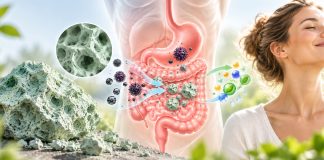
In recent years, one natural substance has increasingly come to the fore in clinical research: zeolite, an ancient volcanic rock which, due to its unique structure, is able to bind harmful substances like a sponge. What has long attracted attention mainly in alternative medicine is now also becoming increasingly important in clinical oncology – as a possible support for reducing side effects without impairing the effect of chemotherapy. However, this only applies to a special form of zeolite: so-called PMA zeolite, which is optimized in a specific process for its mode of action in the body.
Zeolite in clinical trials: a beacon of hope for chemotherapy-related side effects
The increased interest in zeolite as a potential support during chemotherapy is now also reflected in scientifically sound studies. Particularly noteworthy is the highly regarded ZeOxaNMulti study, a randomized, placebo-controlled double-blind study with over 100 patients suffering from colorectal cancer who were treated with the common chemotherapeutic agent oxaliplatin.
The study specifically investigated whether the intake of PMA zeolite (Multizeo Med) during chemotherapy can alleviate side effects such as the dreaded peripheral neuropathy and at the same time have a positive influence on the course of therapy. The result: a clear trend in favor of the zeolite group, especially in patients who received chemotherapy as first-line therapy.
After seven months, these patients showed a statistically significant improvement in overall survival (OS) compared to the placebo group (p = 0.004). Progression-free survival (PFS) – i.e. the time during which the disease did not worsen – also developed more favorably in the zeolite group (p = 0.05). The analysis also documented positive trends for disease-free survival (DFS) in patients receiving adjuvant treatment.
Conclusion of the scientists: PMA zeolite showed protective effects in chemotherapy-related side effects and could be a useful supportive measure in oncology for certain patient groups – without impairing the effect of the cytostatic drug.
The details of the ZeOxaNMultiTitel study:
Survival analyses of the ZeOxaNMulti trial
Study type:
Randomized, placebo-controlled double-blind study with 30-month follow-up
Participants:
120 colorectal cancer patients undergoing oxaliplatin chemotherapy
(51% in the zeolite group, 49% in the placebo group)
Target:
Investigation of the effect of PMA zeolite (Multizeo Med) on
- Side effects such as peripheral neuropathy
- Overall survival (OS), progression-free survival (PFS) and disease-free survival (DFS)
Results:
- Significant advantage in overall survival (OS) after 7 months: p = 0.004
- Positive trend in PFS (disease progression): p = 0.05
- Better tolerability profile, especially with first-line chemotherapy
Conclusion:
- PMA zeolite could improve the side effect profile of chemotherapy –
- without impairing the anti-cancer effect.
- Source: Frontiers in Pharmacology, 2022
Zeolite in chemotherapy – why can the volcanic mineral support patients?
Zeolite is a natural volcanic rock with a special property: its crystal structure acts like a molecular sieve. Pollutants such as ammonium, heavy metals such as cadmium, arsenic, lead or nickel as well as the light metal aluminum or free radicals can be bound by the zeolite and excreted via the intestine – without burdening the body.
This can be crucial during chemotherapy. This is because the massive destruction of cells causes many toxic substances to enter the body, which weaken the immune system and lead to inflammatory reactions. Zeolite can act like an internal filter here – gently but effectively.
These effects are scientifically explained by:
- Adsorption of free radicals and ammoniacal substances
- Protection of the mucous membranes in the gastrointestinal tract
- Stabilization of the intestinal barrier
- Relief for the liver and kidneys due to reduced toxic load
PMA zeolite is a valuable supplement that can make chemotherapy more tolerable
Of course, PMA zeolite does not replace cancer therapy as such – but it can support the chemotherapy procedure as a companion. The quality is important here: only specially activated PMA zeolite such as that from PANACEO has been tested in clinical studies. This cannot simply be transferred to other zeolite products.
Cancer is a disease that changes everything. But in the fight against it, we need all the support we can get that is safe, effective and scientifically based. Zeolite could – quietly and without much fuss – be such an ally.
Note: The above information does not replace medical advice.
Any therapy supplement should be agreed with the attending physician.
Sources:
Links to the clinical studies on PMA zeolite to reduce the side effects of chemotherapy:
https://pubmed.ncbi.nlm.nih.gov/36425572
https://cdn.fortunejournals.com/articles/potential-role-of-zeolites-in-rehabilitation-of-cancer-patients.pdf